WELCOME TO ORGANIC EGYPT NEWSLETTER!
Volume 62
Dear Reader,
This is volume number 62 of the Organic Egypt Foundation newsletter. It reviews our activities in July 2026 and illustrates all interventions conducted with our partners and stakeholders.
Enjoy the read!
NETWORKING ACTIVITIES OF ORGANIC EGYPT FOUNDATION
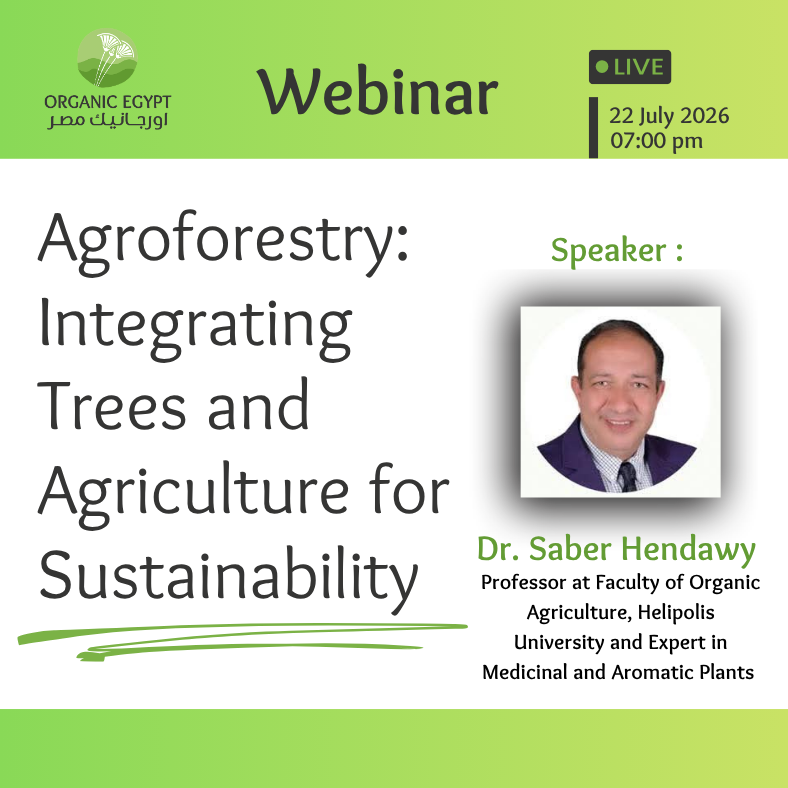
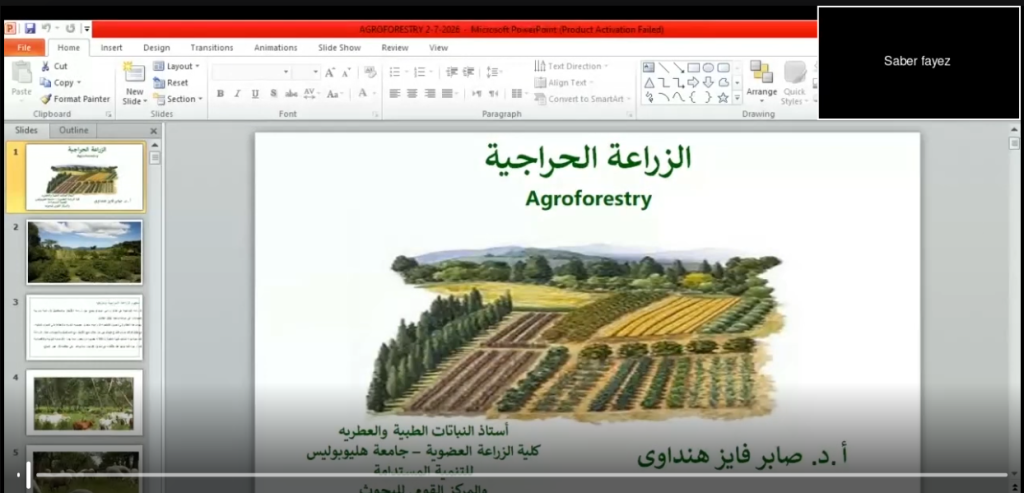
Webinar: Principles of Agroforestry
Organic Egypt Foundation organized a webinar with Dr. Saber Hendawy, an expert in agroforestry and sustainable agriculture, to explore the role of agroforestry in enhancing climate resilience, biodiversity, and sustainable food production. During the webinar, Dr. Hendawy introduced the principles of agroforestry and demonstrated how integrating trees with crops and livestock can improve soil fertility, conserve water resources, increase farm productivity, and diversify farmers’ income. The session also highlighted successful agroforestry practices and discussed their contribution to restoring degraded land, strengthening climate resilience, and supporting sustainable rural development. The webinar was highly interactive, with participants actively engaging in discussions, sharing experiences, and raising questions on practical approaches for adopting agroforestry in Egypt, providing valuable insights into its potential to build more resilient and sustainable food systems.
Workshop: Organic Egypt & Re.FOOD Project: Strengthening International Agricultural Partnerships
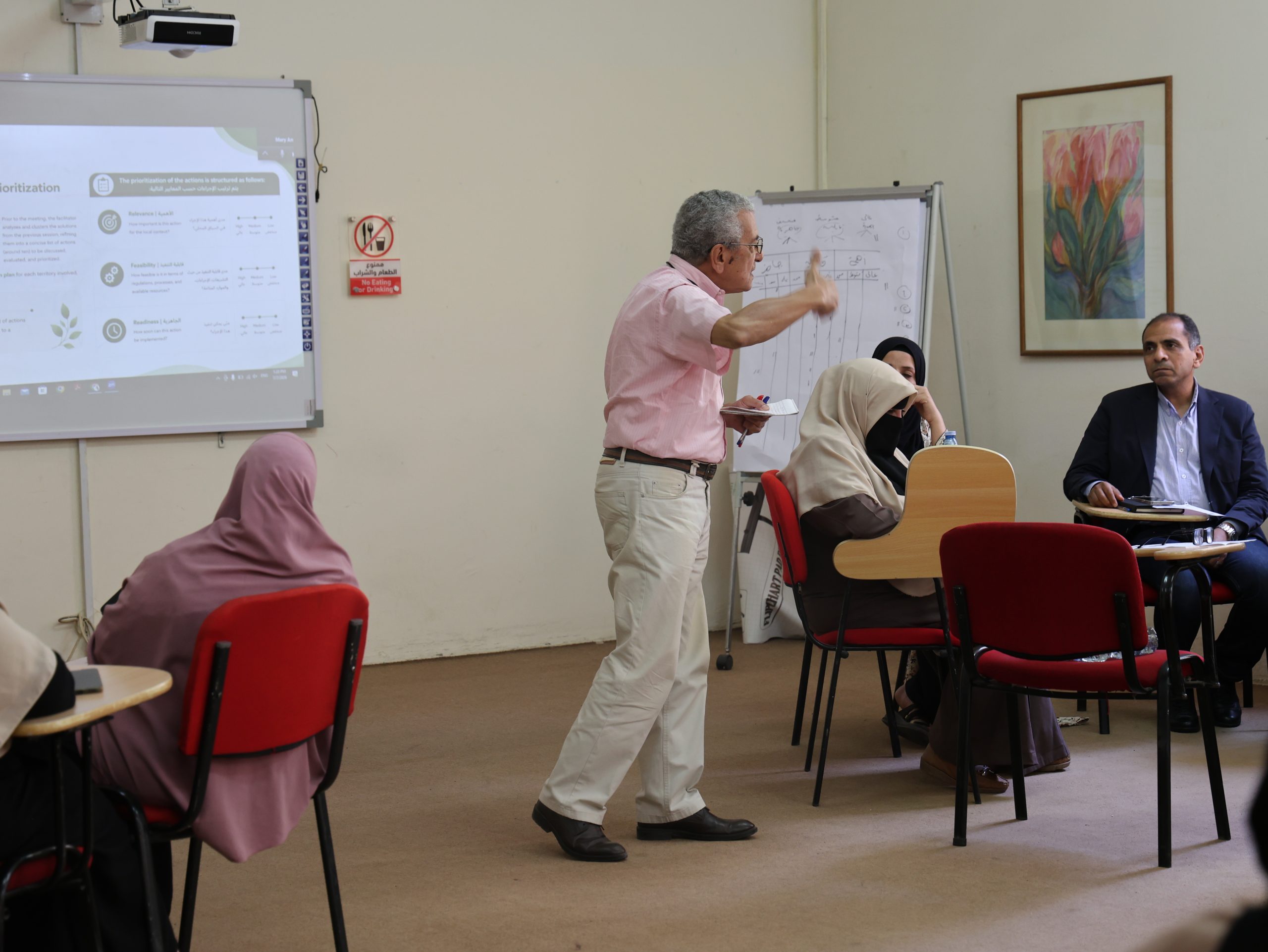
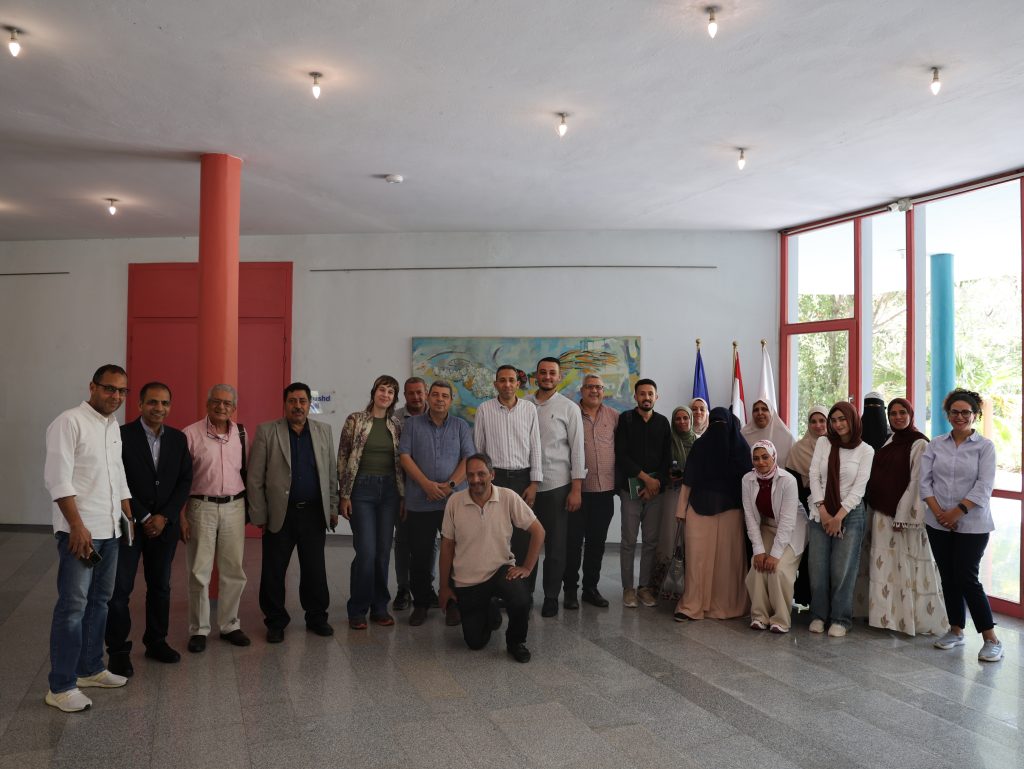
Organic Egypt Foundation successfully organized the third Re.FOOD Living Lab Workshop, titled “From Solutions to Actions,” in collaboration with CIHEAM Bari and the Re.FOOD project partners. Building on the outcomes of previous Living Lab sessions, the workshop brought together women, local producers, private sector representatives, academia, NGOs, and other stakeholders to jointly identify practical solutions for strengthening sustainable local food systems. Through interactive discussions and a participatory prioritization exercise, participants evaluated proposed solutions based on their relevance, feasibility, and implementation potential, resulting in a shared action plan that reflects local priorities. A key outcome of the workshop was the identification of Fayoumi chicken production as a promising model to enhance food security, support smallholder farmers, preserve indigenous breeds, and promote environmentally sustainable agricultural practices. The workshop marked another important milestone in the Re.FOOD Living Lab process, reinforcing the value of collaboration and co-creation in transforming innovative ideas into practical actions for more resilient and sustainable food systems.
ReMedi Project – Damitta Field Visit
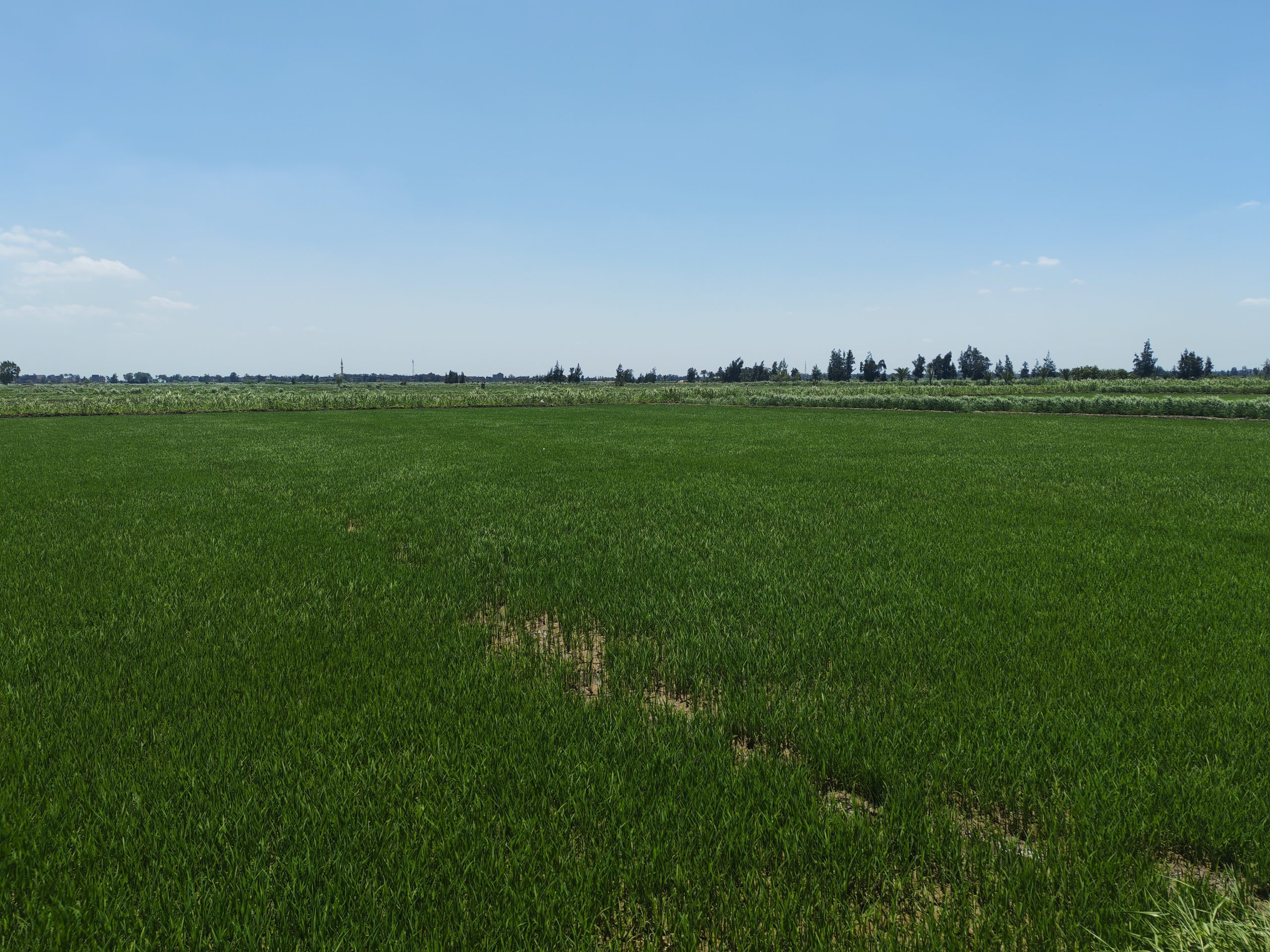
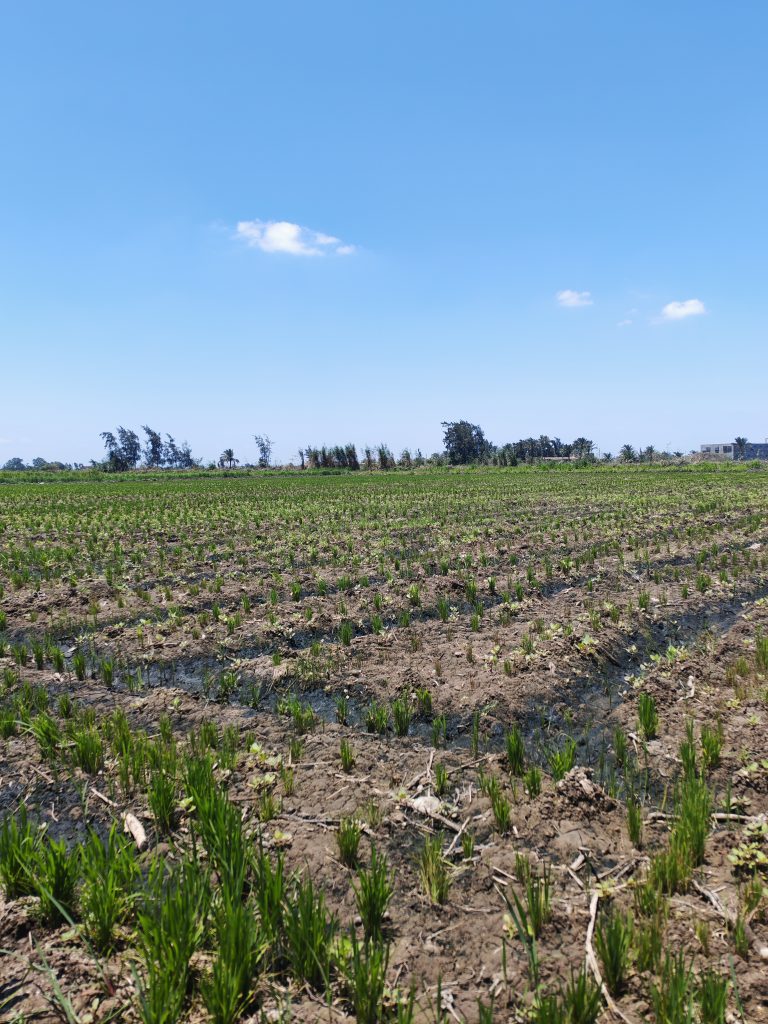
Field Visit to ReMedi Pilot Site in Damietta
As part of the ReMedi Project, funded by the PRIMA Programme and the European Union, Organic Egypt Foundation participated in a field visit to the project’s pilot site in Saad Village, Damietta. The visit was conducted in collaboration with experts from Heliopolis University to monitor the progress of the pilot on rice cultivation in wetlands. The pilot, managed by Mr. Seddek, compares biodynamic, organic, and conventional farming systems for rice production. During the visit, the team reviewed the current status of the experiment, discussed cultivation practices, and documented field observations. The rice (Giza 178) was directly sown, and the experimental field was divided into three plots representing the different farming systems. To address the reported salinity challenges affecting both soil and irrigation water, soil and water samples were collected for laboratory analysis. The results will support the identification of appropriate biological solutions to improve soil health, enhance crop productivity, and strengthen the resilience of sustainable rice production systems.
WOMEN’S EMPOWERMENT PROJECT ACTIVITIES

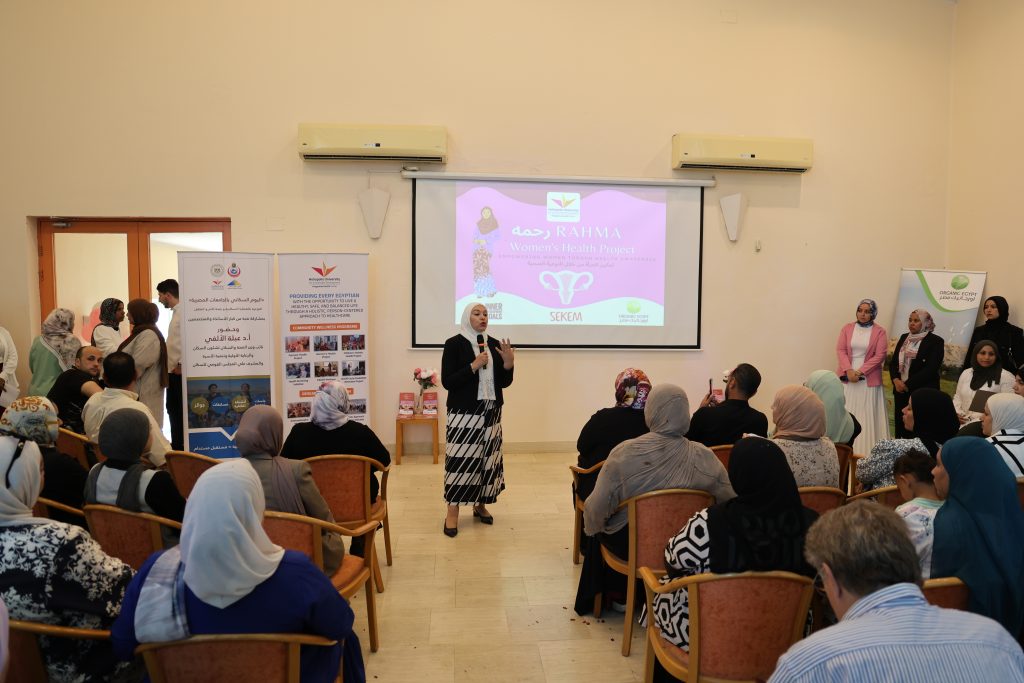
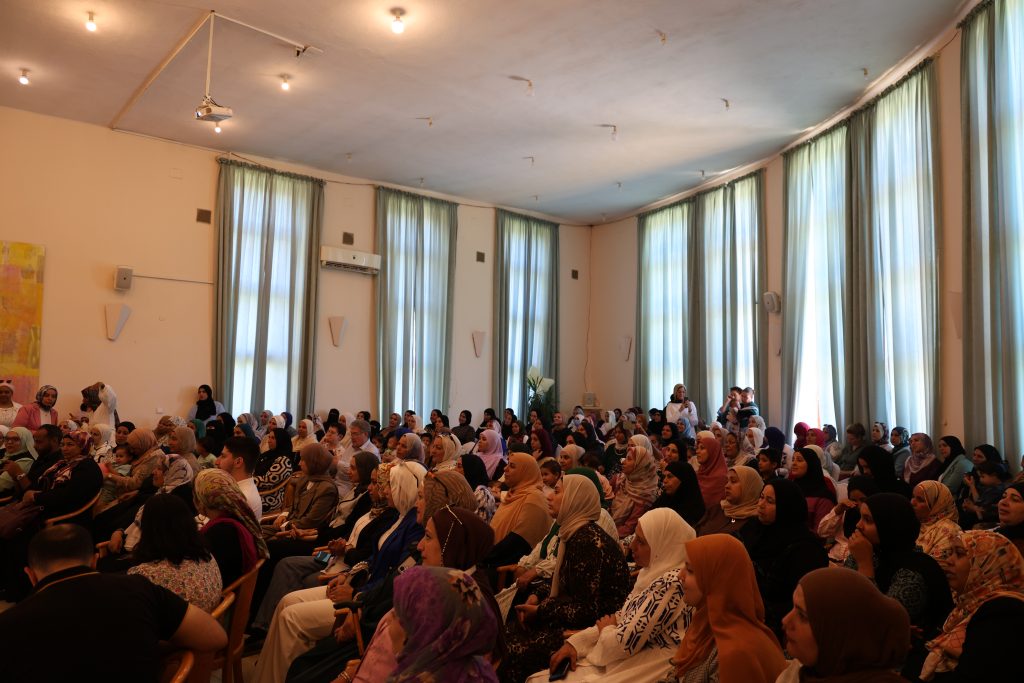
Population Day – Networking Event on Women’s Health and building healthy families
As part of its Women’s Empowerment Project, the Organic Egypt Foundation organized a graduation event celebrating an inspiring group of rural women who successfully completed a comprehensive health awareness program. The program included a series of sessions on health education, reproductive health, therapeutic movement, and other essential topics designed to improve women’s well-being and promote healthier communities. The event brought together representatives from the Ministry of Health and featured medical convoys, awareness activities, and interactive sessions. One of the most inspiring moments was hearing the participants share how the program strengthened their confidence, expanded their knowledge, and positively influenced their daily lives. At Organic Egypt Foundation, we believe that empowering women is key to building healthier families and more resilient rural communities. We are proud to support initiatives that create lasting positive change and open new opportunities for women across rural Egypt.
Congratulations to all the graduates on this remarkable achievement!