WELCOME TO ORGANIC EGYPT NEWSLETTER!
Volume 63
Dear Reader,
This is volume number 63 of the Organic Egypt Foundation newsletter. It reviews our activities in August 2026 and illustrates all interventions conducted with our partners and stakeholders.
Enjoy the read!
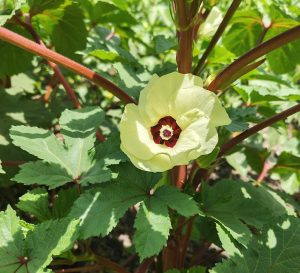
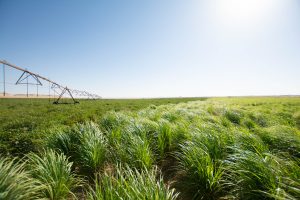
August is one of the most challenging months for crops, as high temperatures can increase water demand and put plants under heat stress. Proper irrigation, mulching, and intercropping can help reduce heat stress, with taller crops providing shade for smaller ones. Maintaining healthy soils also plays an important role in helping crops cope with high temperatures and remain resilient throughout the summer season.
NETWORKING ACTIVITIES OF ORGANIC EGYPT FOUNDATION
Webinar: Waste Management: From Threat into Opportunity
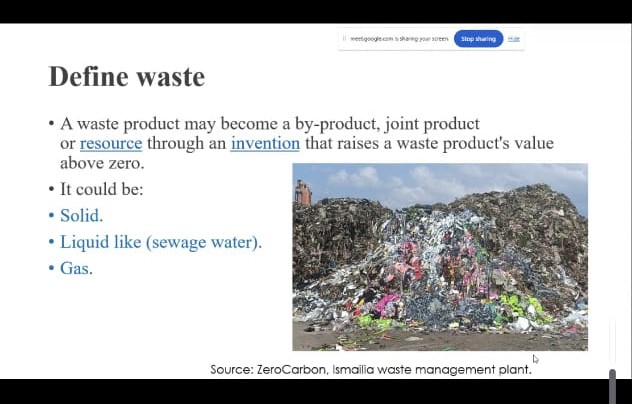
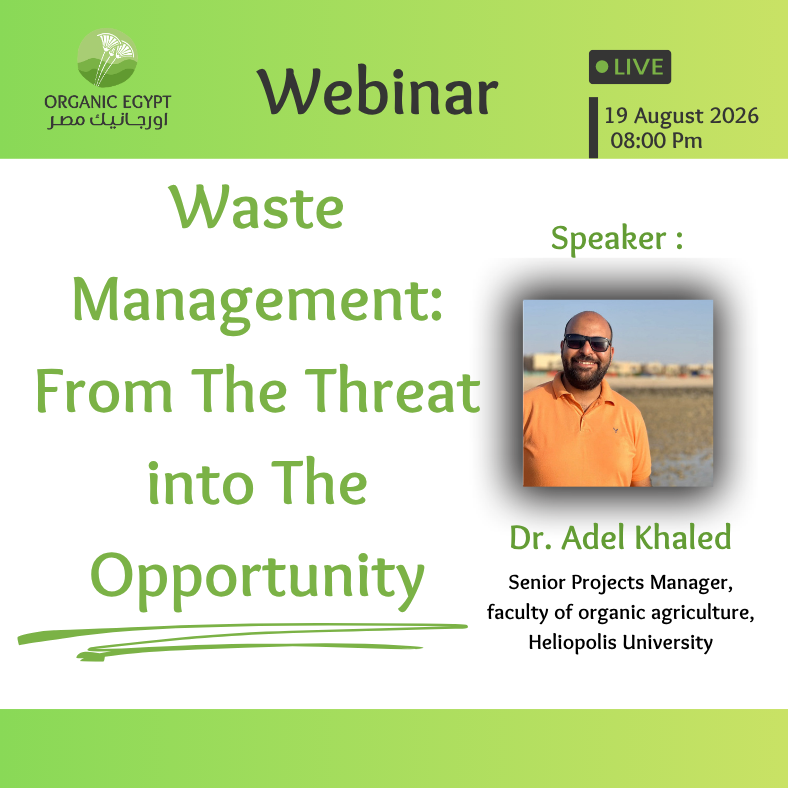
In the framework of raising awareness about organic agriculture and sustainability, Organic Egypt Foundation organized a webinar titled “Waste Management: From Threat into Opportunity,” featuring Dr. Adel Khaled, Senior Projects Manager at the Faculty of Organic Agriculture, Heliopolis University. The webinar provided an overview of waste management, focusing on why waste has become an environmental and agricultural challenge and how proper management can turn it from a threat into an opportunity. The session covered different approaches to waste management, resource recovery, and practical solutions for reducing the negative impacts of waste. Dr. Adel also presented real-life case studies and examples, giving participants a practical perspective on how waste management solutions can be applied on the ground. The webinar highlighted the importance of adopting sustainable waste management practices as part of the transition towards more sustainable and resource-efficient agricultural systems.
ReMedi Project – Damitta Field Visit
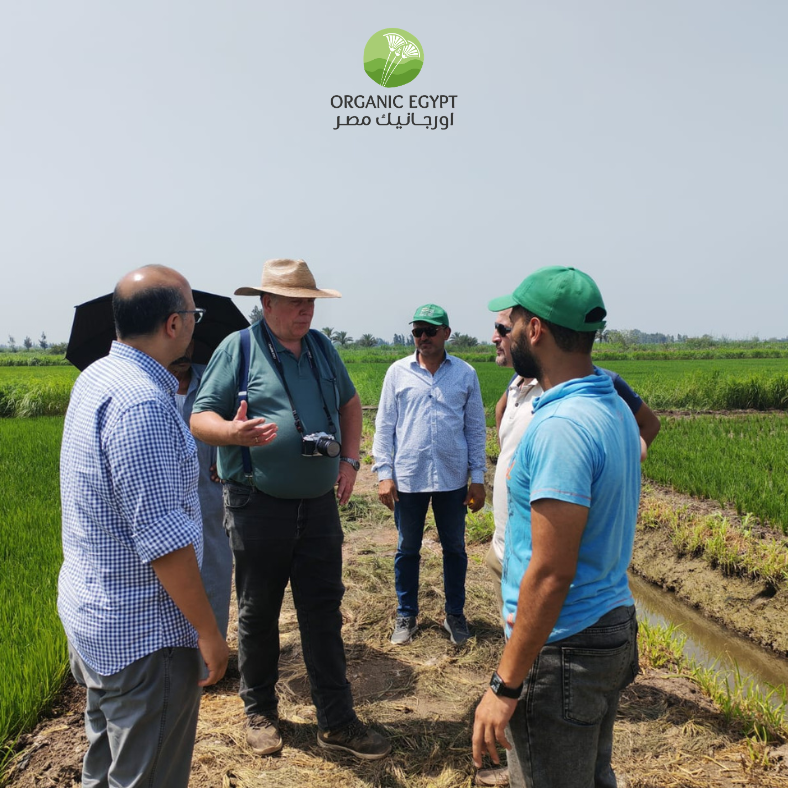
Damitta Field Visit with Mr. Klaus Merckens
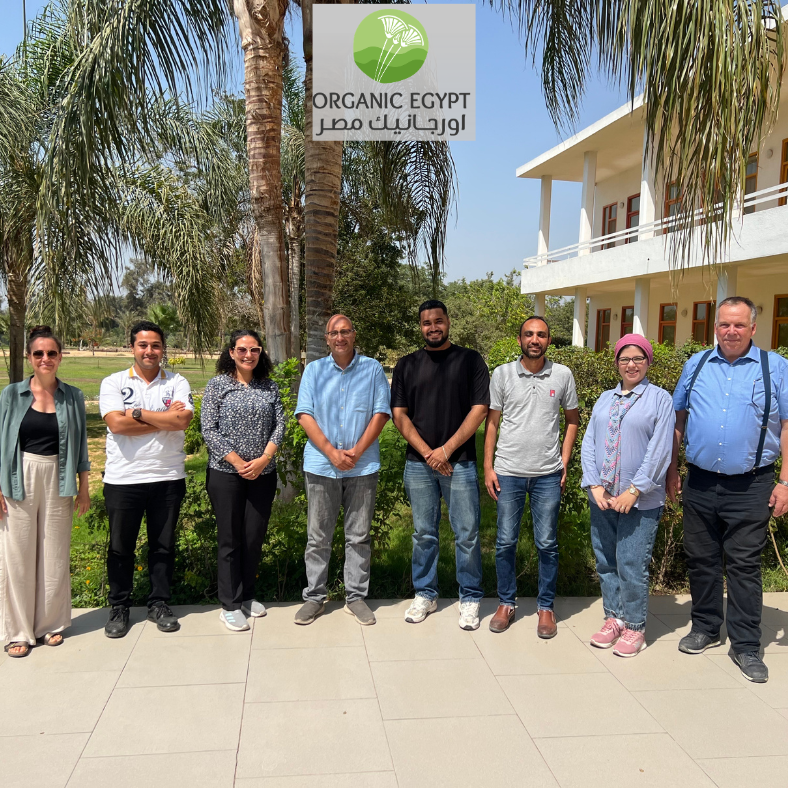
As part of the ReMedi Project, funded by the PRIMA Programme and the European Union, Organic Egypt Foundation welcomed Mr. Klaus Merckens from merckens development support GmbH for a two-day visit focused on reviewing the progress of the project’s pilot activities in Egypt and strengthening coordination among project partners. The visit started with a coordination meeting bringing together members of the Heliopolis University and Organic Egypt Foundation teams. A key focus of the discussions was the importance of establishing a harmonized data collection protocol across the ReMedi pilot sites in Egypt, Spain, and Italy. Such harmonization is essential for ensuring that data collected from different sites can be effectively compared and used to assess the project’s results. The discussions covered several key areas of monitoring, including biodiversity, water management, soil health, and carbon sequestration. The teams also explored practical monitoring tools and approaches, including digital applications that can support the observation and recording of birds, butterflies, and other biodiversity indicators at the pilot sites. On the second day, the project partners visited the ReMedi pilot site in Damietta, where they followed up on the ongoing rice cultivation trial. The visit provided an opportunity to assess the progress of the different farming systems under investigation, including biodynamic, organic, and conventional practices, while discussing the data and observations needed to support the project’s comparative assessment. Overall, the visit of the project partner merckens development support GmbH was important to foster collaboration between partners, as well as strengthening the connection between field-level experimentation, data assessment, and knowledge sharing across the ReMedi pilot sites.
WOMEN’S EMPOWERMENT PROJECT ACTIVITIES

Fourth Cycle Training in the five professions
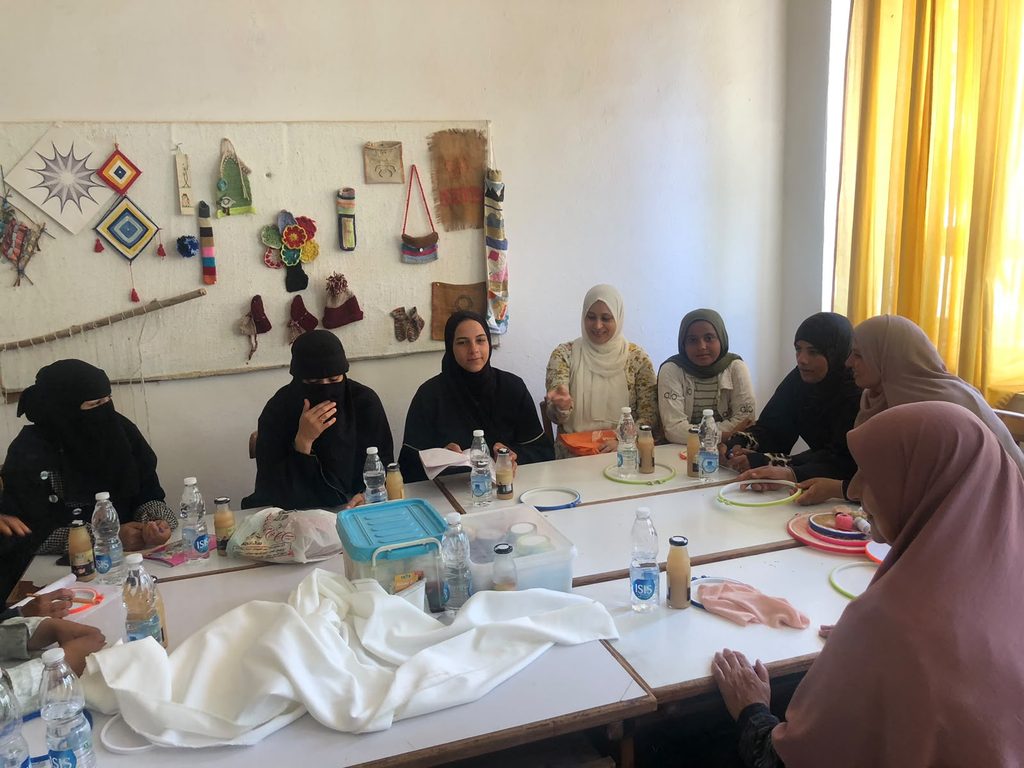
The fourth training cycle of our Women’s Empowerment Program has officially started, bringing together around 50 rural women to develop practical skills across five different areas: sewing, cooking, cosmetics and soap production, poultry care, and childcare. The training is designed to provide participants with practical, hands-on knowledge that can support them in developing their own income generating activities and creating new opportunities for themselves and their families. From learning sewing and food preparation to producing cosmetics and soap, caring for poultry, and developing skills in childcare, each training area responds to practical needs and opportunities within the local community. Beyond technical skills, the program aims to strengthen women’s confidence, encourage their economic participation, and help them turn knowledge into real opportunities for a more sustainable livelihood. We are excited to begin this new journey with our participants and look forward to seeing their skills, ideas, and ambitions grow throughout the training cycle.
Third Pitching Session – Women’s Empowerment Activities
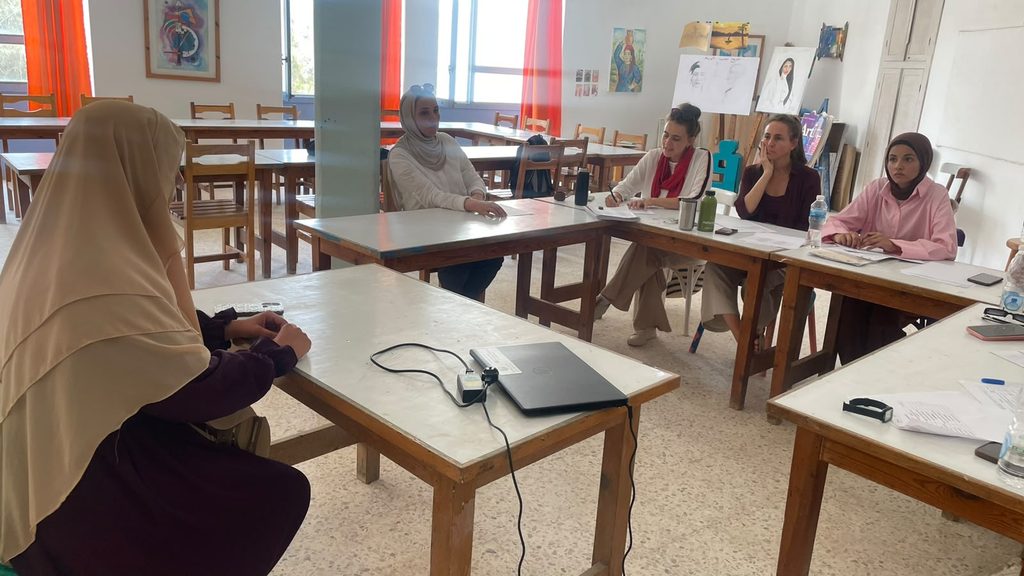
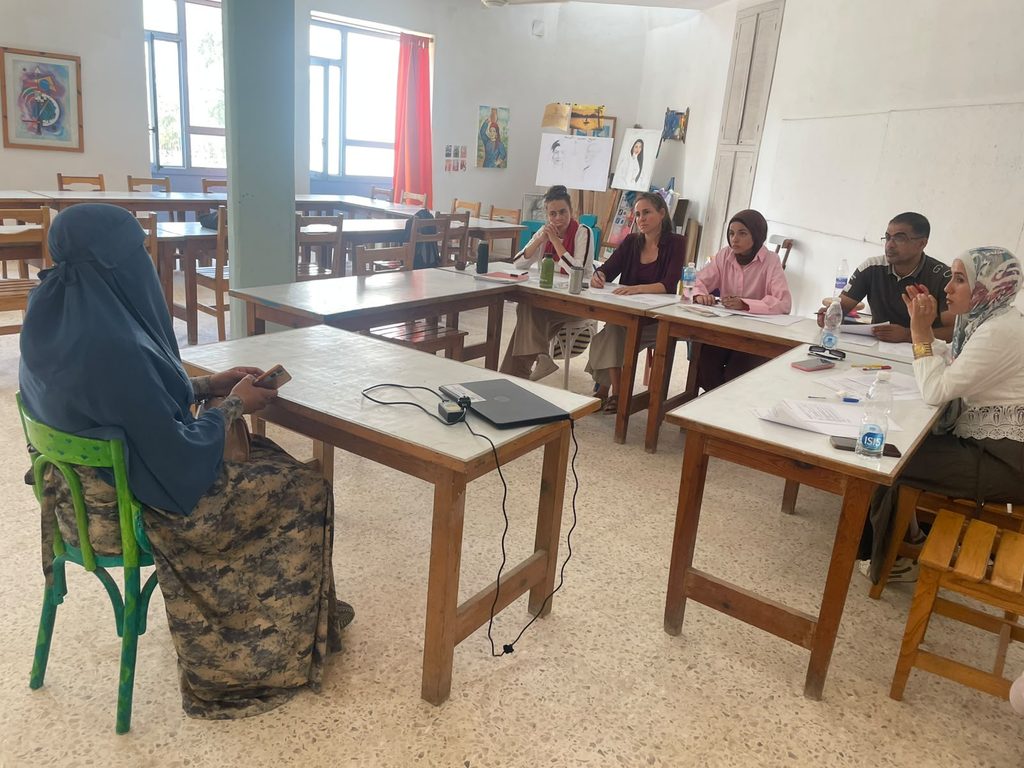
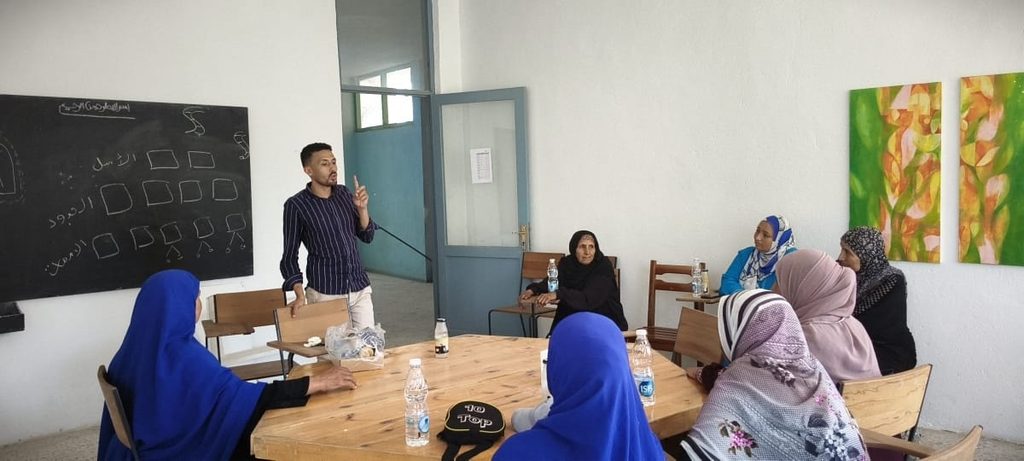
On 19 August 2026, the third project pitching session was held under the Women’s Empowerment in Rural Egypt (WERE) Project, in cooperation with the evaluation committee, which included representatives from project partners and relevant team members. The committee reviewed the proposed businesses based on the agreed selection criteria.
Seven rural women presented their business ideas, including six tailoring projects and one cooking project. Following the evaluation, all seven projects were approved to move forward.
As part of the project’s support, selected beneficiaries will receive the necessary equipment and tools based on their approved project needs. The project provides equipment and tools only and does not offer cash funding. After delivery, the project team will follow up with the beneficiaries for six months, providing technical guidance, monitoring progress, and addressing challenges that may affect the sustainability of their businesses. The session reflects the project’s continued efforts to help rural women turn their skills and ideas into viable businesses and create sustainable income-generating opportunities.