WELCOME TO ORGANIC EGYPT NEWSLETTER!
Volume 60
Dear Reader,
This is volume number 60 of the Organic Egypt Foundation newsletter. It reviews our activities in May 2026 and illustrates all interventions conducted with our partners and stakeholders.
Enjoy the read!
NETWORKING ACTIVITIES OF ORGANIC EGYPT FOUNDATION
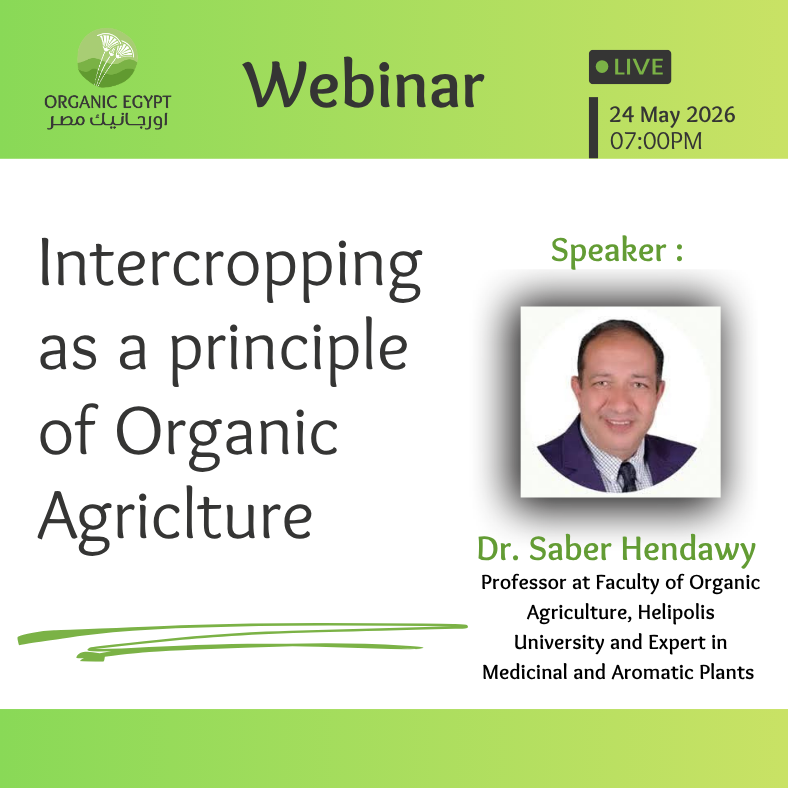
Webinar: Intercropping as a principle of organic Agriculture.
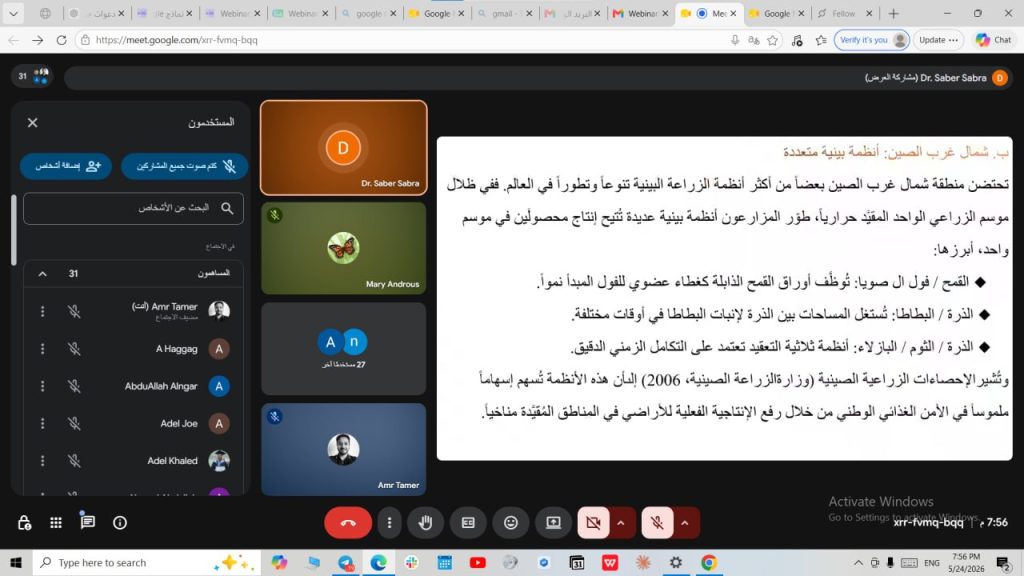
On May 24, Organic Egypt organized an insightful webinar in collaboration with Prof. Dr. Saber Hendawy, Professor of Organic Agriculture at Heliopolis University and expert in Medicinal and Aromatic Plants. The webinar focused on the concept of intercropping (mixed cropping systems) and its importance in enhancing the productivity and sustainability of medicinal and aromatic plants. The Webinar brought together researchers, farmers and students interested in applying organic agriculture principles in medicinal and aromatic plants. Dr. Hendawy highlighted how intercropping can improve land use efficiency, increase biodiversity, and contribute to more resilient and sustainable agro-ecosystems. The session was highly interactive and rich in discussion, with active engagement between the speaker and participants, who shared experiences, asked questions, and explored practical applications of intercropping systems in organic farming. The webinar provided valuable scientific and practical insights, reinforcing the importance of sustainable agricultural practices in supporting the future of organic farming in Egypt.
Workshop: Organic Egypt & Re.FOOD Project: Strengthening International Agricultural Partnerships
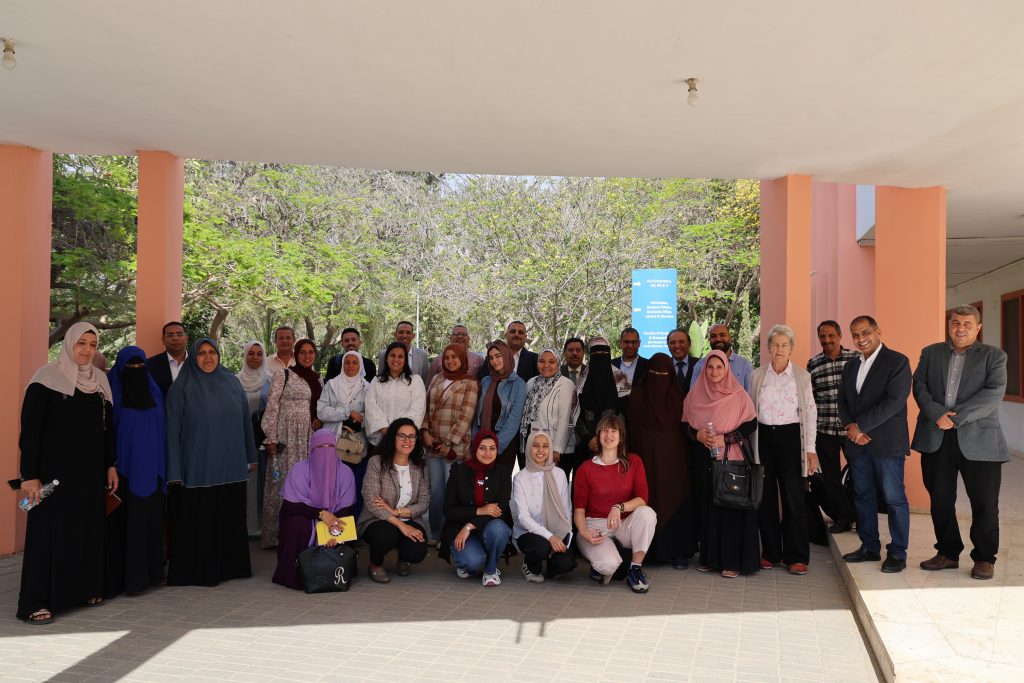
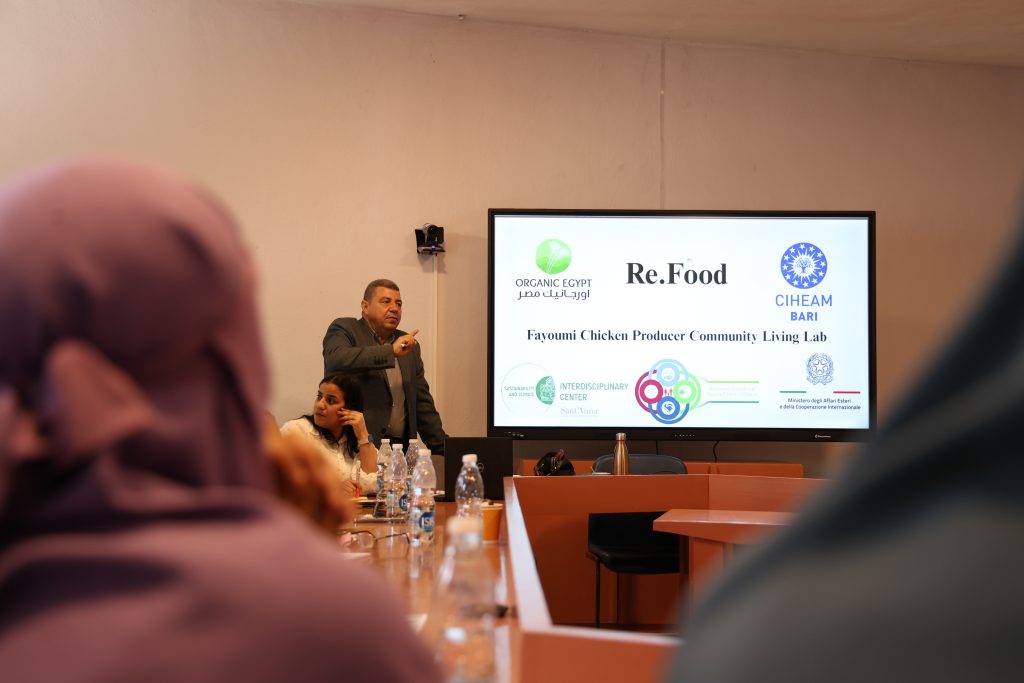
On May 10, 2026, a specialized workshop titled “Local Living Labs Development and Implementation” was held at Heliopolis University, organized by Organic Egypt Foundation as part of the Re.FOOD project activities. The project, funded by the Italian Ministry of Foreign Affairs and International Cooperation, aims to support the “Global Alliance for Resilient Local Food Supply Chains” and contribute to achieving the 2030 Sustainable Development Goals. The workshop brought together 35 participants representing various stakeholders in Egypt’s food system, including poultry farmers from Fayoum Governorate, experts from the Ministry of Agriculture, academics from Heliopolis and Sadat Universities, as well as representatives from civil society organizations and the private sector. Discussions focused on promoting the Fayoumi chicken breed as a resilient and competitive local heritage product. The workshop adopted a participatory “Living Lab” approach, where participants engaged in backcasting sessions to develop an integrated future vision for the poultry sector in Egypt over the next five years. The sessions also included an in-depth analysis of current challenges, such as rising feed costs and disease outbreaks, alongside proposing innovative solutions based on local resources. These included recycling agricultural waste to produce alternative feed and improving veterinary services.
Study Tour to the Netherlands
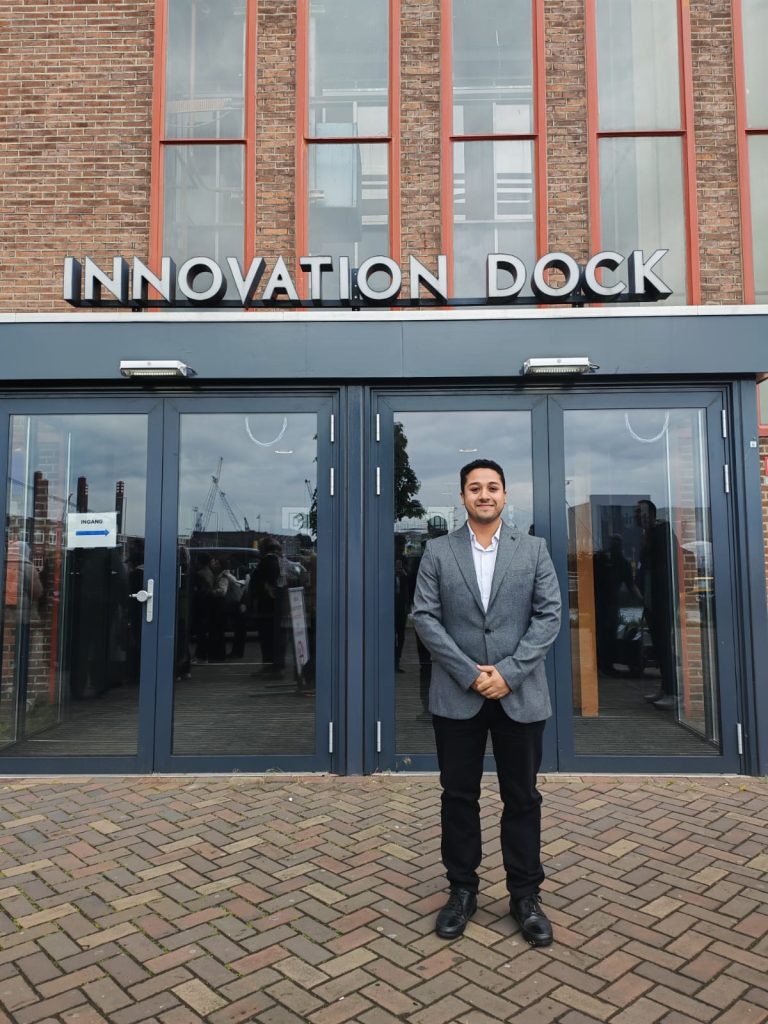
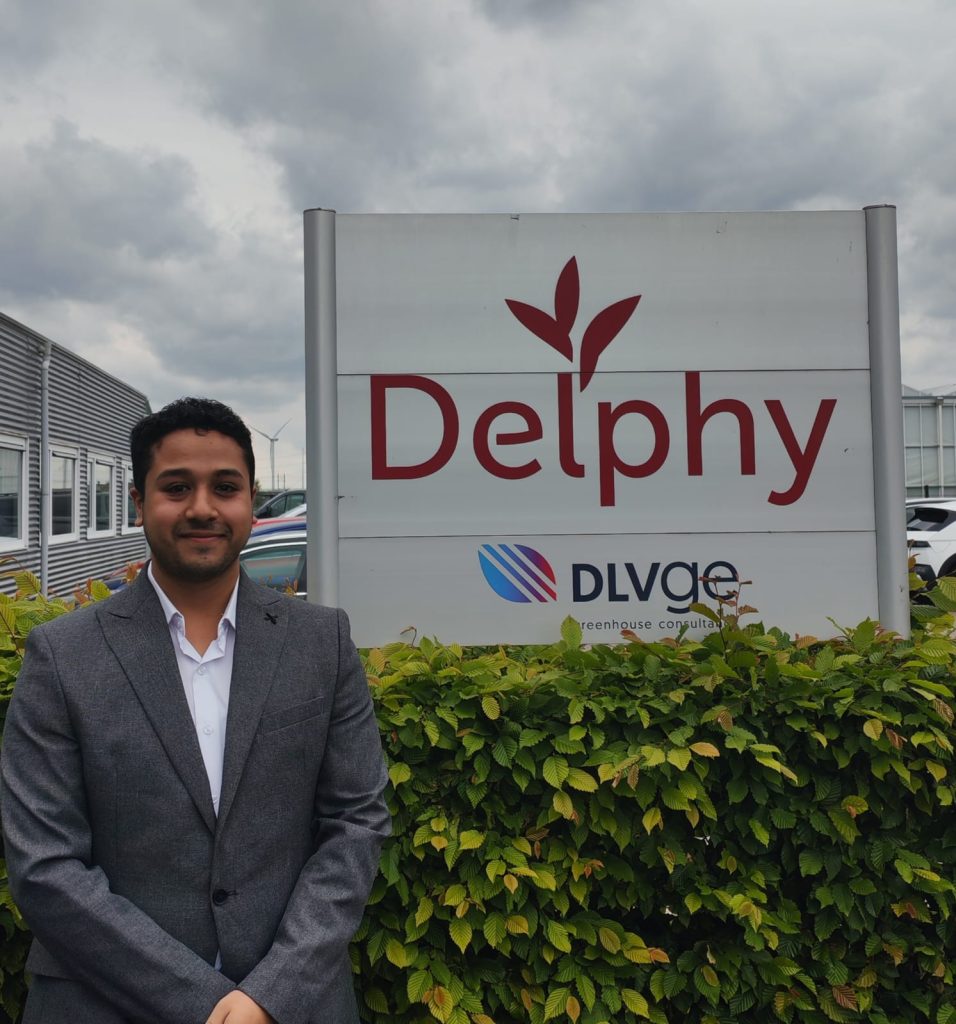
Amr Haseeb, Agriculture Officer at OEF, participated in a study tour in the Netherlands organized by the Netherlands Enterprise Agency (RVO) in collaboration with Orange Corners Egypt. The program included visits to leading organizations and institutions in the Dutch agricultural sector, such as Delphy, Innovation Dock, Tomato World, LC Packaging, Wageningen University & Research, Henri Willig Farms, Normec, Rijk Zwaan, and Royal FloraHolland. The tour provided valuable exposure to innovative agricultural technologies, sustainable production systems, and integrated approaches across the agri-food value chain, highlighting the strong collaboration between research institutions, the private sector, and innovation hubs in the Netherlands, and offering key insights to support the advancement of sustainable agriculture and knowledge exchange with Egypt.
WOMEN’S EMPOWERMENT PROJECT ACTIVITIES

First Project Pitching Session Successfully Conducted
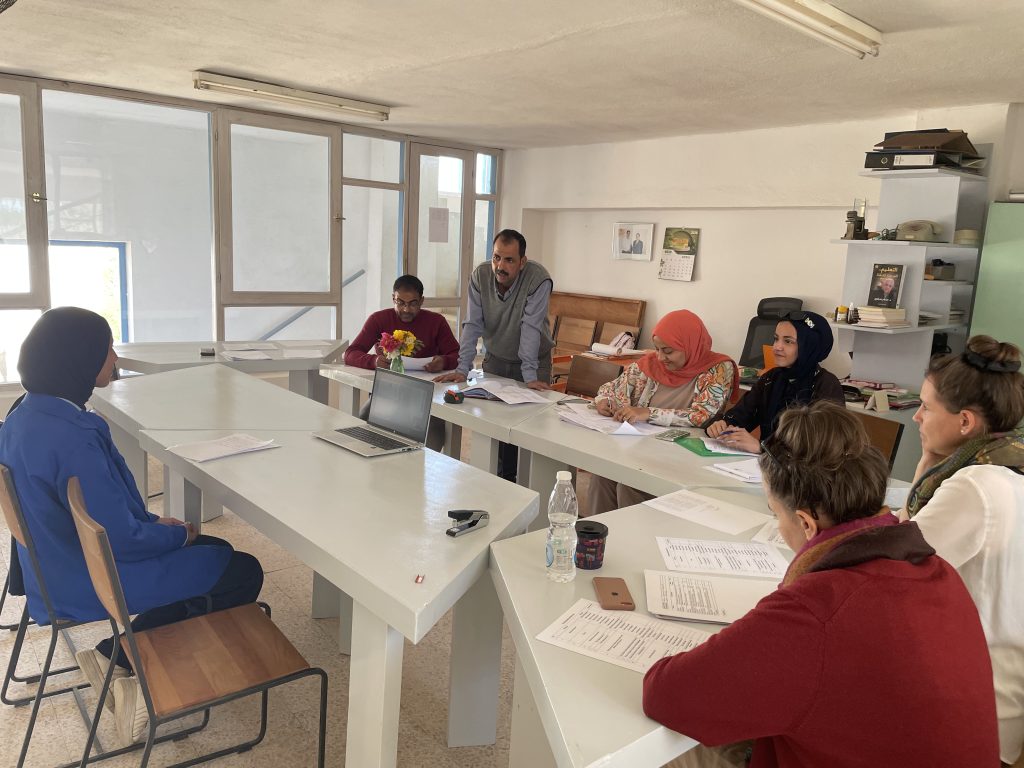
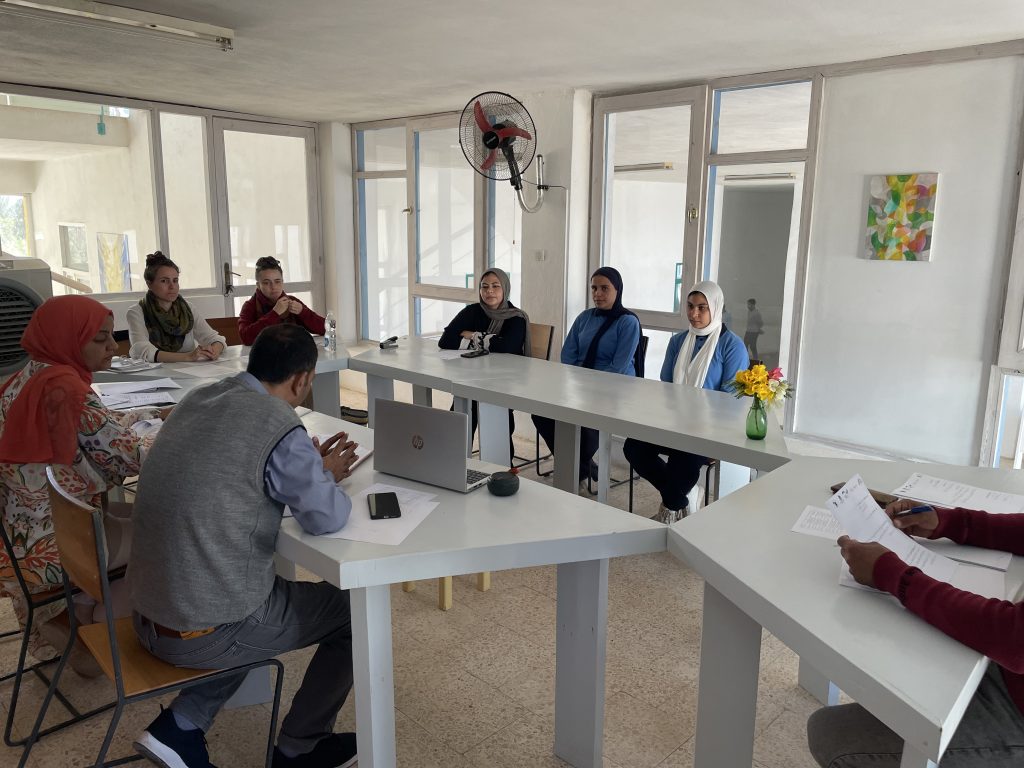
As part of the Women’s Empowerment in Rural Egypt (WERE) Project, the first project pitching session for rural women was successfully held at the SEKEM Development Foundation (SDF) office. The evaluation committee consisting of representatives of SDF, bbw, and the Project team reviewed 16 project proposals presented by a total of 30 women beneficiaries through a transparent and structured assessment process based on predefined selection criteria. The evaluation covered several aspects including participants’ skills, training engagement, business feasibility, market potential, motivation, and opportunities for growth. The session highlighted several promising business ideas, particularly in food production, sewing, and natural products. Following the evaluation process, 13 projects involving 25 women were selected to receive support through the project. The meeting represented an important step toward empowering women economically and supporting sustainable small businesses in rural communities. The next phase will focus on providing in-kind support and continuous technical guidance for the selected projects.
Ongoing Training Activities in the Five Professions
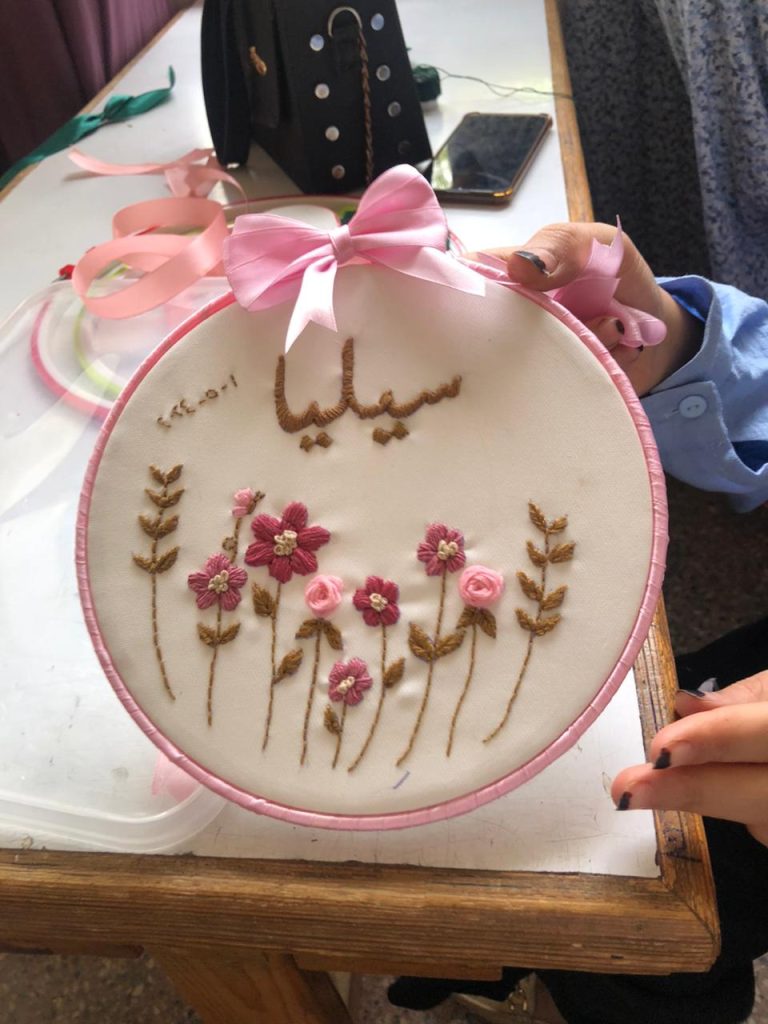
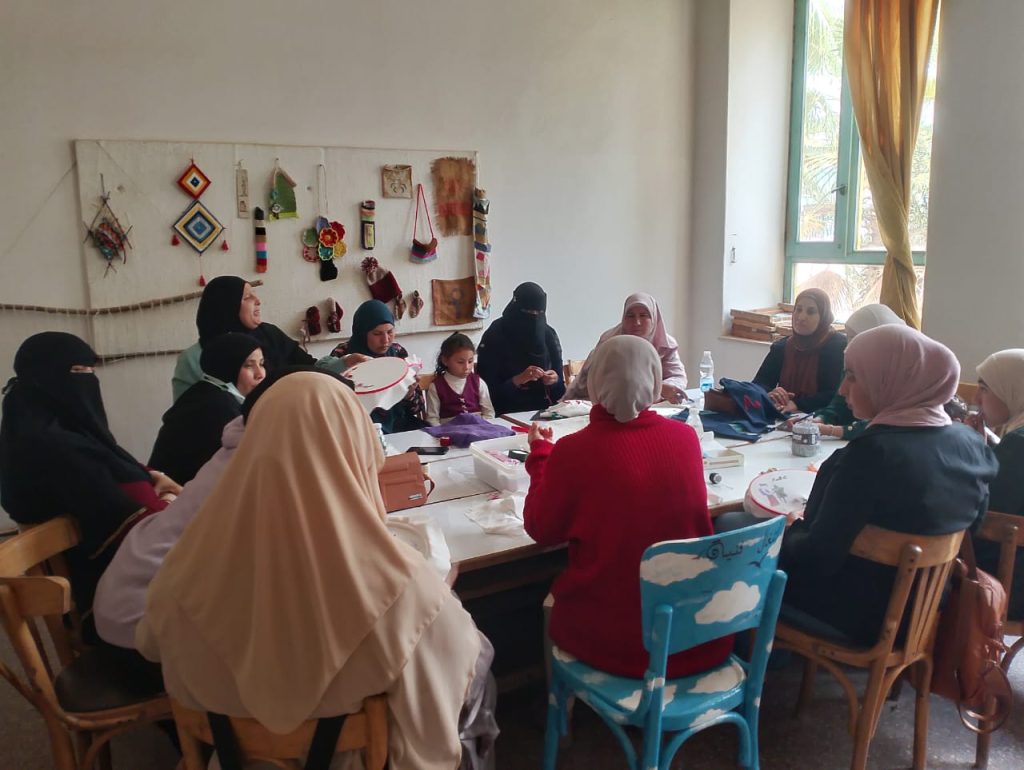
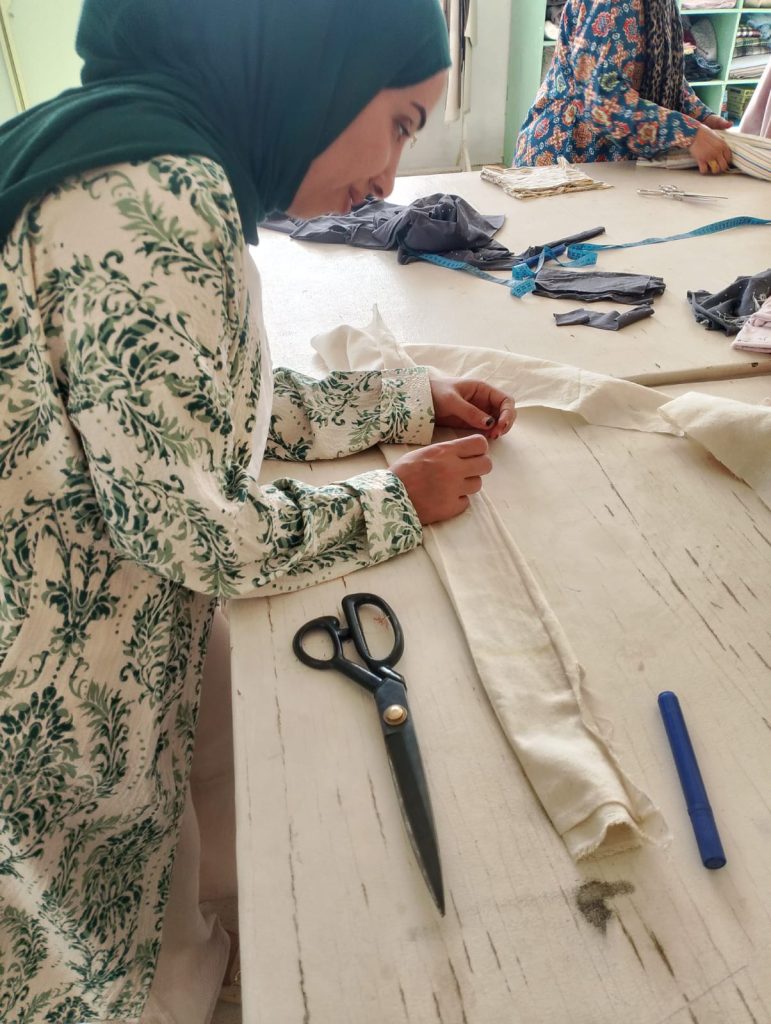
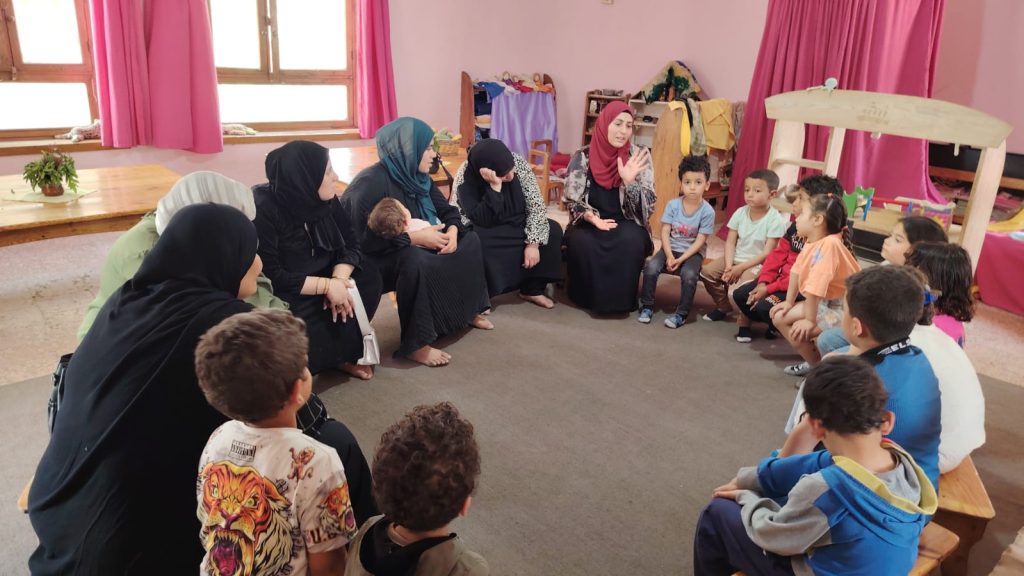
As part of the Women’s Empowerment in Rural Egypt (WERE) Project, the third training cycle across the five selected professions continues successfully, with strong engagement and commitment from the participating women. The cooking training focused on bakery production and practical food preparation skills that can support home-based income-generating projects. Participants demonstrated remarkable progress in teamwork, confidence, and product quality. In the cosmetics and cleaning profession, trainees received hands-on training in handmade soap production, learning preparation methods and techniques for creating different types and shapes of soap products suitable for small businesses. The childcare profession continued to provide participants with essential knowledge and practical exposure related to child development, educational activities, storytelling, and modern childcare approaches. The trainees showed strong enthusiasm and active participation throughout the sessions. The poultry production training combined both theoretical and practical learning experiences, helping participants gain valuable knowledge about sustainable poultry farming practices and small-scale production management. In the sewing profession, participants maintained full attendance and demonstrated high motivation to develop their technical skills. The training curriculum supports women in building the foundation for future sewing and tailoring businesses. The ongoing training activities reflect the participants’ dedication to developing sustainable livelihood opportunities and strengthening their economic independence through practical vocational skills.