WELCOME TO ORGANIC EGYPT NEWSLETTER!
Volume 61
Dear Reader,
This is volume number 61 of the Organic Egypt Foundation newsletter. It reviews our activities in June 2026 and illustrates all interventions conducted with our partners and stakeholders.
Enjoy the read!
NETWORKING ACTIVITIES OF ORGANIC EGYPT FOUNDATION
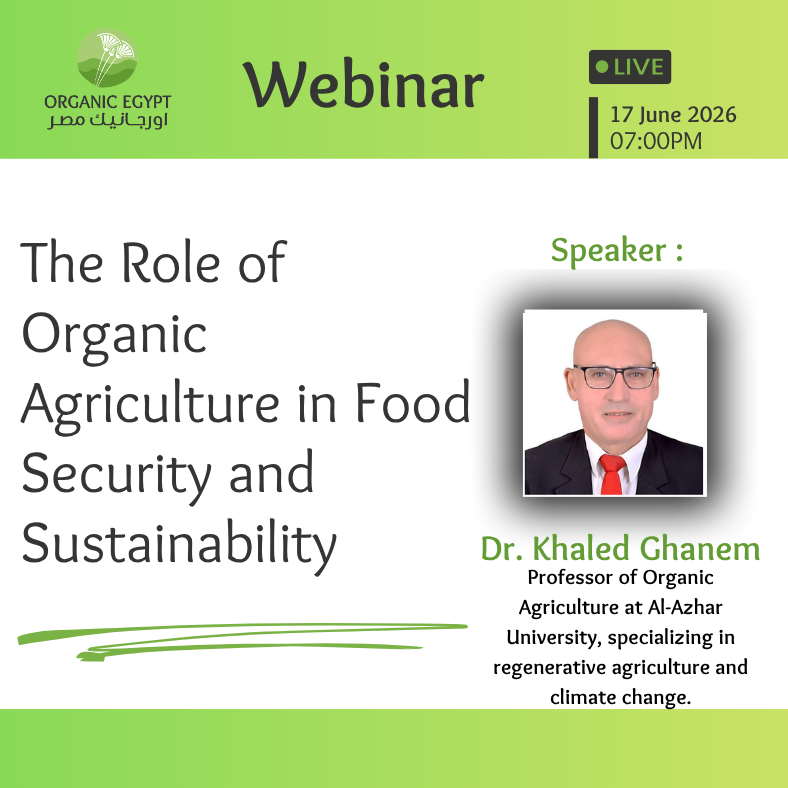
Webinar: The Role of Organic Agriculture in Food Security and Sustainability
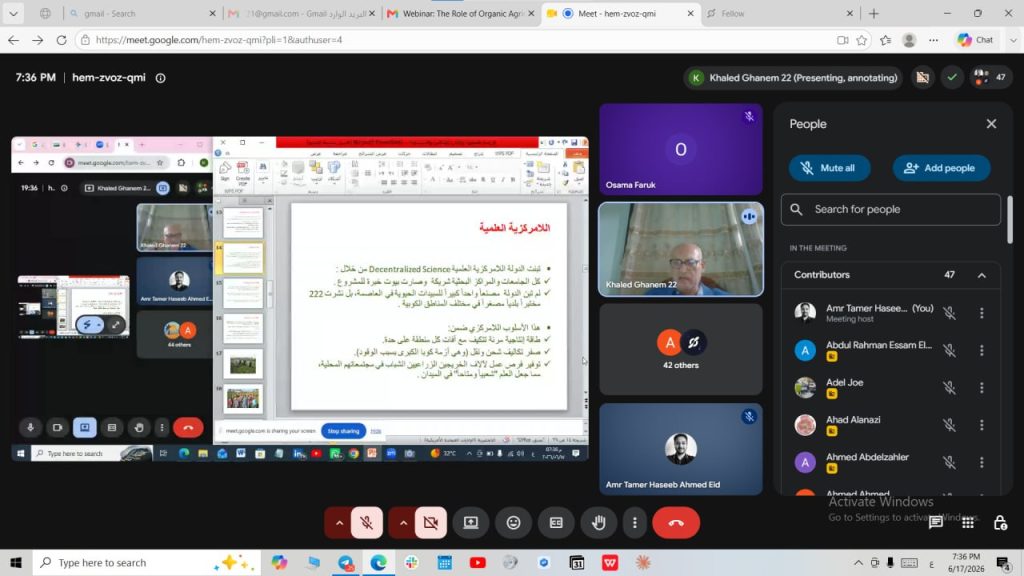
Organic Egypt Foundation organized a webinar with Dr. Khaled Ghanem, Professor of Organic Agriculture at Al-Azhar University in Cairo, to explore the role of organic agriculture in strengthening food security and promoting sustainability. During the webinar, Dr. Ghanem presented three international case studies demonstrating how countries have addressed food security challenges through agricultural transformation. He highlighted Cuba’s experience in the 1990s, where urban and peri-urban agriculture played a crucial role in overcoming food shortages. He also discussed Uganda’s reliance on small-scale organic farming systems to enhance food security and rural livelihoods. In addition, he examined Sri Lanka’s transition to organic agriculture, emphasizing the challenges that arose from implementing a rapid nationwide shift without sufficient farmer training and capacity building. The session was highly interactive and generated rich discussions among participants. Attendees actively engaged with the speaker, shared their experiences, raised questions, and explored practical lessons on how organic agriculture can contribute to resilient food systems, food security, and sustainable development.
Kickoff meeting of ReMedi project in Spain
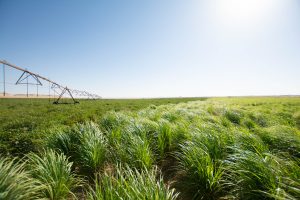
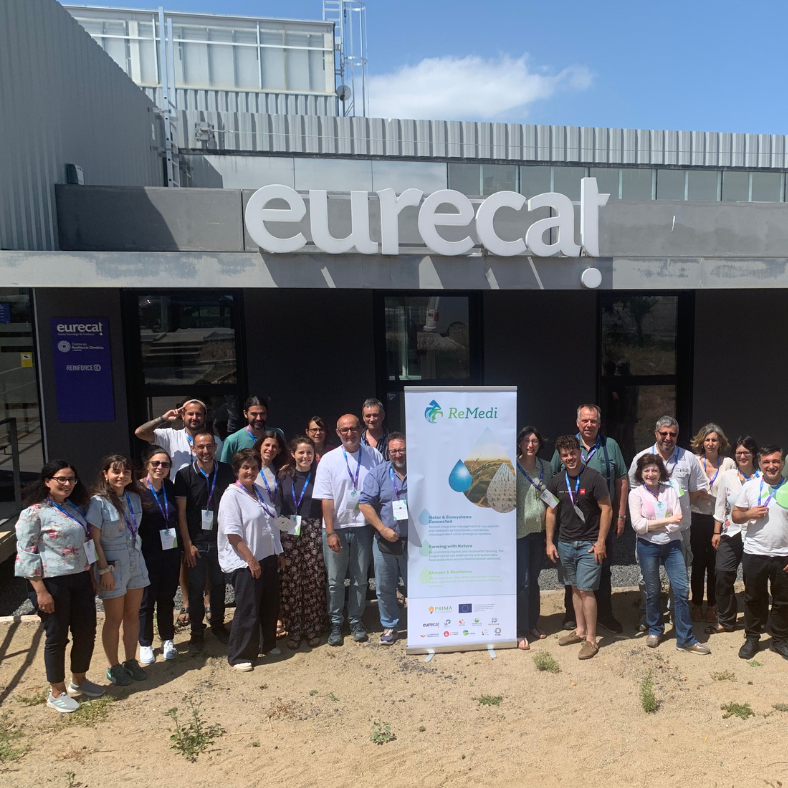
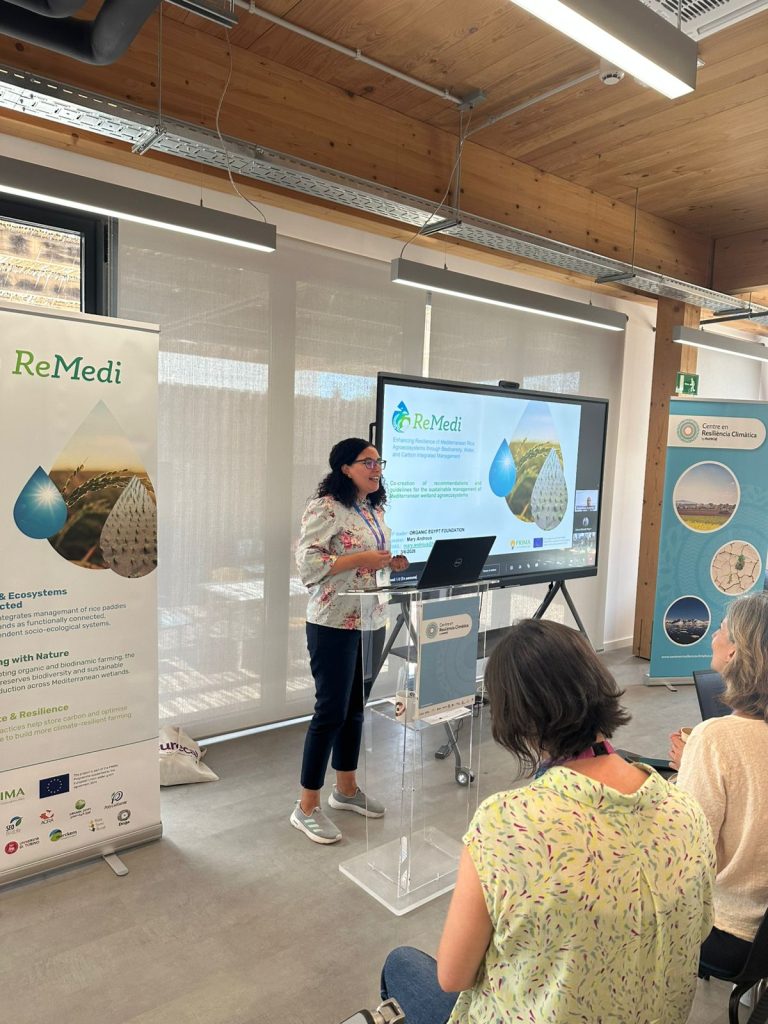
In June, the Executive Manager of Organic Egypt Foundation, Mary Androus, participated in the ReMedi kick-off meeting held in Amposta, Spain, alongside partners from Egypt, Spain, Germany, Turkey, and Italy. The collaboration reflects a shared commitment to advancing sustainable rice production and building more resilient agricultural systems across the Mediterranean region. ReMedi adopts a transdisciplinary and participatory approach that brings together agroecology, hydrology, biodiversity monitoring, and governance research. At its core is a living-lab model, where farmers, NGOs, scientists, water managers, and policymakers work together in the co-design and co-implementation of practical, context-specific solutions. The main goal of the project is to enhance the resilience of Mediterranean rice agroecosystems through integrated management of biodiversity, water, and carbon.
WOMEN’S EMPOWERMENT PROJECT ACTIVITIES

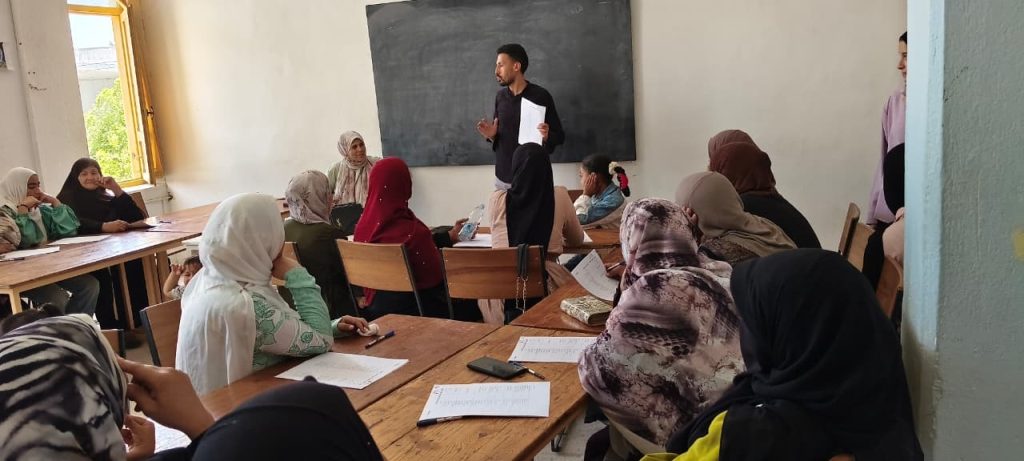
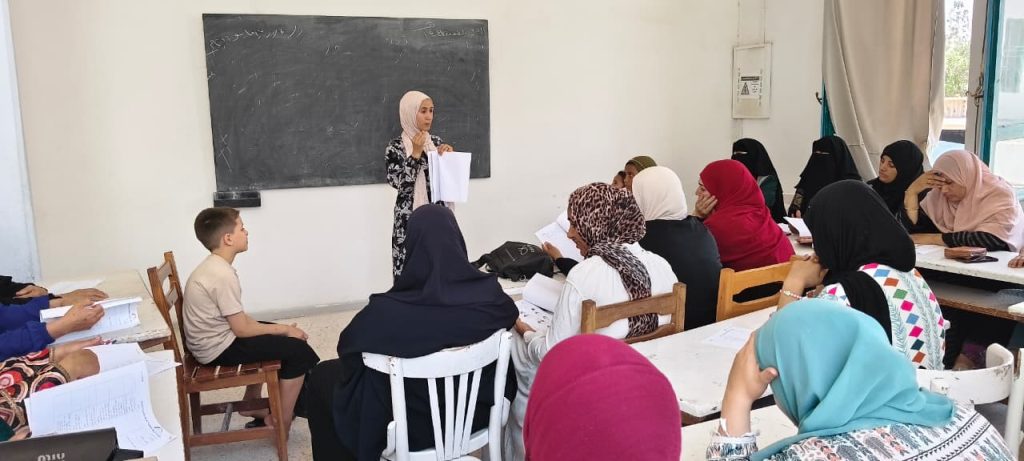
Fourth Profiling Training Cycle
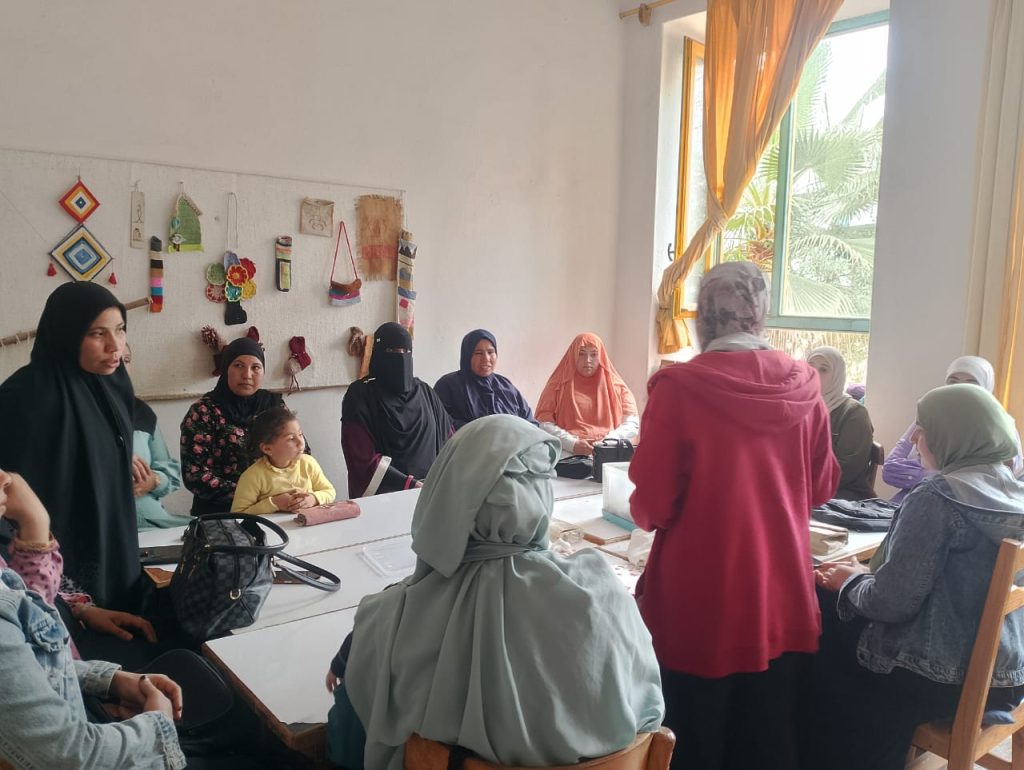
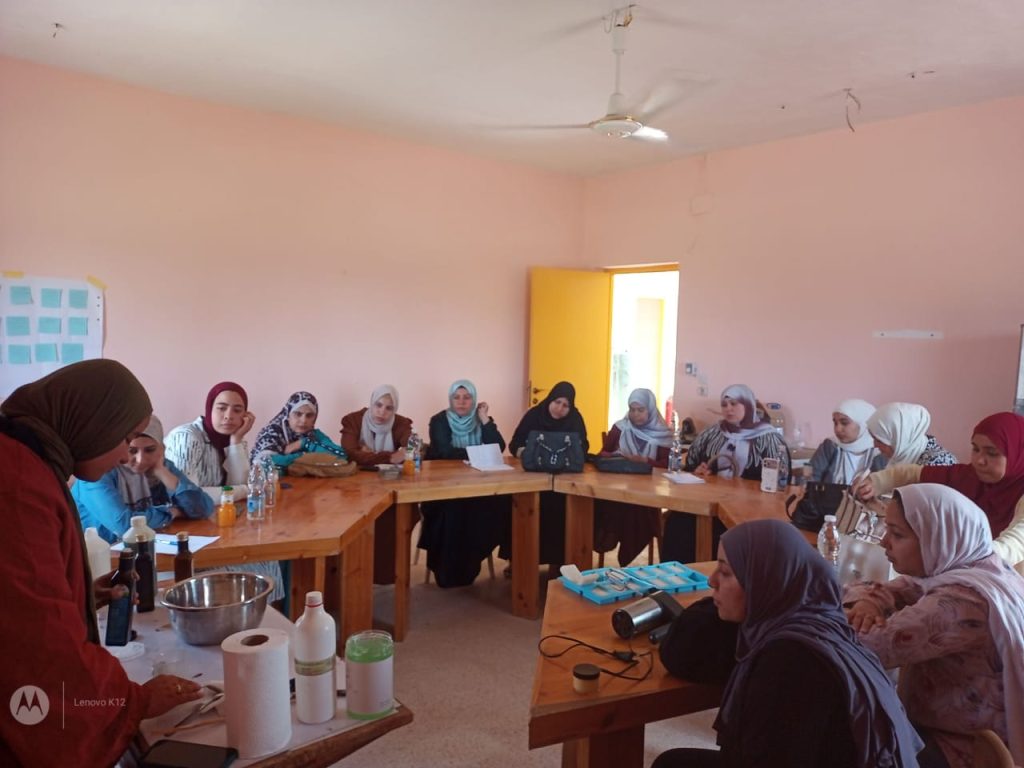
Within the framework of the Women’s Empowerment in Rural Egypt (WERE) project, the Organic Egypt Foundation successfully supported the fourth cycle of the profiling training program, reaching 400 rural women. The three-year project (01.01.2025 – 31.12.2027) aims to engage 1,500 rural women in a one-week profiling phase designed to identify their talents, interests, and career aspirations. During this phase, participants are introduced to five professional pathways: home-based poultry production, cosmetics and cleaning products manufacturing, childcare, sewing, and cooking. Based on their interests and potential, participants are then assigned to one of these specialized tracks and enrolled in a three-month training program. The program provides practical and entrepreneurial skills, enabling women to access employment opportunities or establish and manage their own small businesses, thereby contributing to their economic empowerment and sustainable livelihoods.
Third Training Cycle
Within the framework of the Women’s Empowerment in Rural Egypt (WERE) project, the Organic Egypt Foundation successfully supported the implementation and completion of the third three-month training cycle, benefiting 50 rural women across five professional tracks: home-based poultry production, cosmetics and cleaning products manufacturing, childcare, sewing, and cooking. The three-year project aims to provide specialized vocational training to a total of 300 rural women, equipping them with the technical and entrepreneurial skills needed to access labor market opportunities, improve their livelihoods, and establish and manage their own small businesses. Contributing to women’s economic empowerment and promoting sustainable development in rural communities.