WELCOME TO ORGANIC EGYPT NEWSLETTER!
Volume 58
Dear Reader,
This is volume number 58 of the Organic Egypt Foundation newsletter. It reviews our activities in March 2026 and illustrates all interventions conducted with our partners and stakeholders.
Enjoy the read!
NETWORKING ACTIVITIES OF ORGANIC EGYPT FOUNDATION
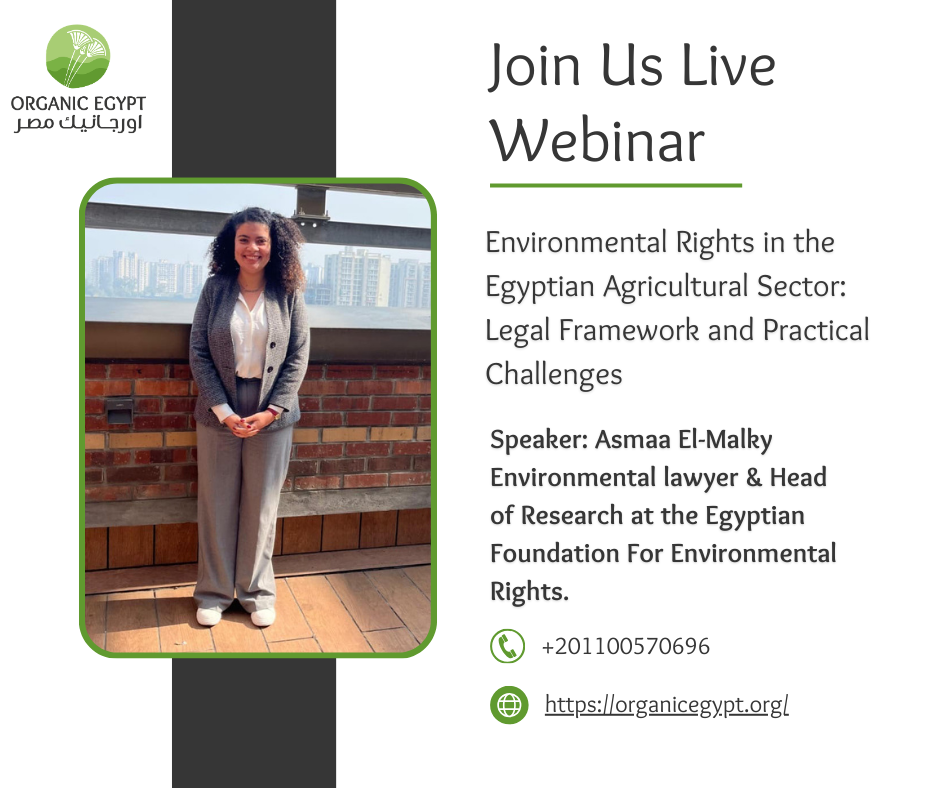
Webinar: Environmental Rights in the Egyptian Agricultural Sector
Organic Egypt Foundation hosted a webinar in the beginning of March, discussing environmental rights in Egypt’s agricultural sector. The session highlighted the legal framework governing environmental protection in agriculture, while addressing the gap between laws and their implementation on the ground. The speaker also explored key challenges faced by farmers, including access to water resources, sustainable land management, and the impacts of climate change. The webinar was delivered by Asmaa El-Malky, Environmental Lawyer and Head of Research Department at the Egyptian Foundation for Environmental Rights. She emphasized environmental justice, the role of women farmers, and the importance of public policies and civil society in supporting more sustainable and equitable agriculture. The discussion concluded with a focus on turning legal frameworks into practical actions to better protect environmental rights and strengthen agricultural sustainability in Egypt.
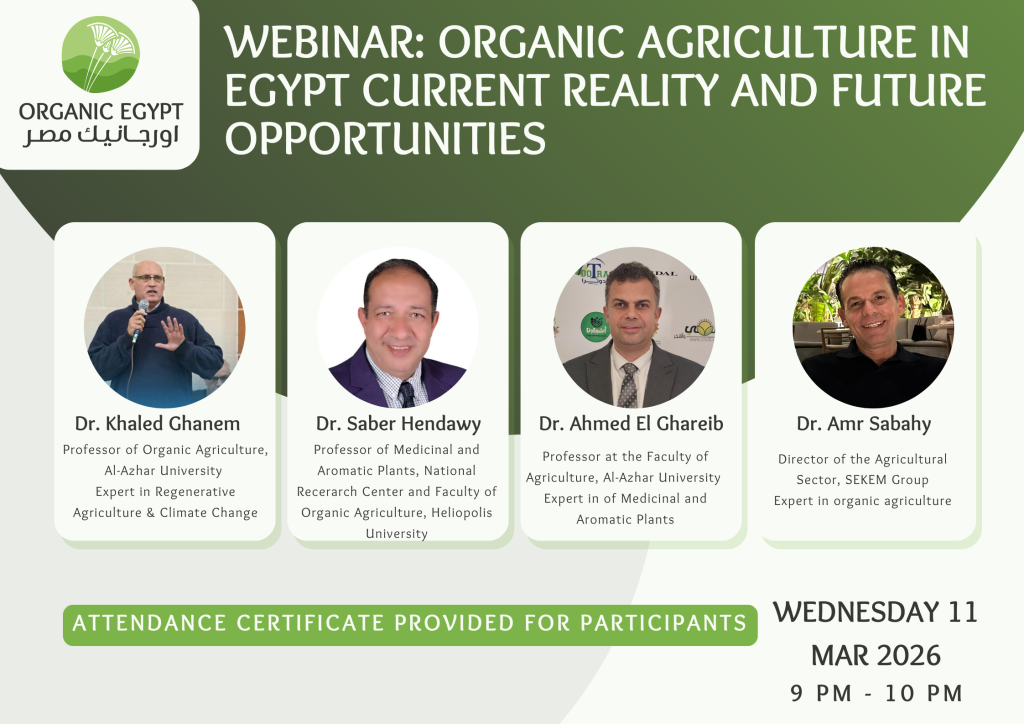
Webinar: Organic Agriculture in Egypt – Current Reality and Future Opportunities
Organic Egypt Foundation successfully hosted another webinar in March titled “Organic Agriculture in Egypt – Current Reality and Future Opportunities”, bringing together experts to discuss the present landscape and future potential of the organic sector in Egypt. The session featured distinguished speakers, including Dr. Khaled Ghanem, an expert in regenerative agriculture and climate change; Dr. Saber Hendawy from the National Research Center and Faculty of Organic Agriculture, Heliopolis University; Dr. Ahmed El Chareib, specializing in medicinal and aromatic plants; and Dr. Amr Sabahy, the director of the agricultural sector in Sekem and an expert in organic agriculture. The session provided valuable insights into the development of organic agriculture in recent years, highlighting both progress made and the key challenges still faced by farmers. Discussions emphasized the importance of strengthening support systems, improving market access, and enhancing awareness to further advance the sector. A significant focus of the webinar was on the production of medicinal and aromatic plants under organic farming conditions. Speakers explored how Egypt holds strong potential in this area, given its favorable climate and growing global demand for high-quality organic products. The webinar also addressed agricultural processing and the added value it brings to medicinal and aromatic plants. Participants learned how value chain development and processing can increase competitiveness, create new market opportunities, and boost farmers’ incomes. The session concluded with an engaging discussion on the role of organic agriculture in promoting environmental sustainability and supporting food security in Egypt. Attendees actively participated, contributing questions and perspectives that enriched the dialogue. The webinar reflects Organic Egypt Foundation’s ongoing commitment to knowledge sharing and supporting the growth of sustainable agriculture in Egypt.
WOMEN’S EMPOWERMENT PROJECT ACTIVITIES

Third Training cycle in the Five Professions
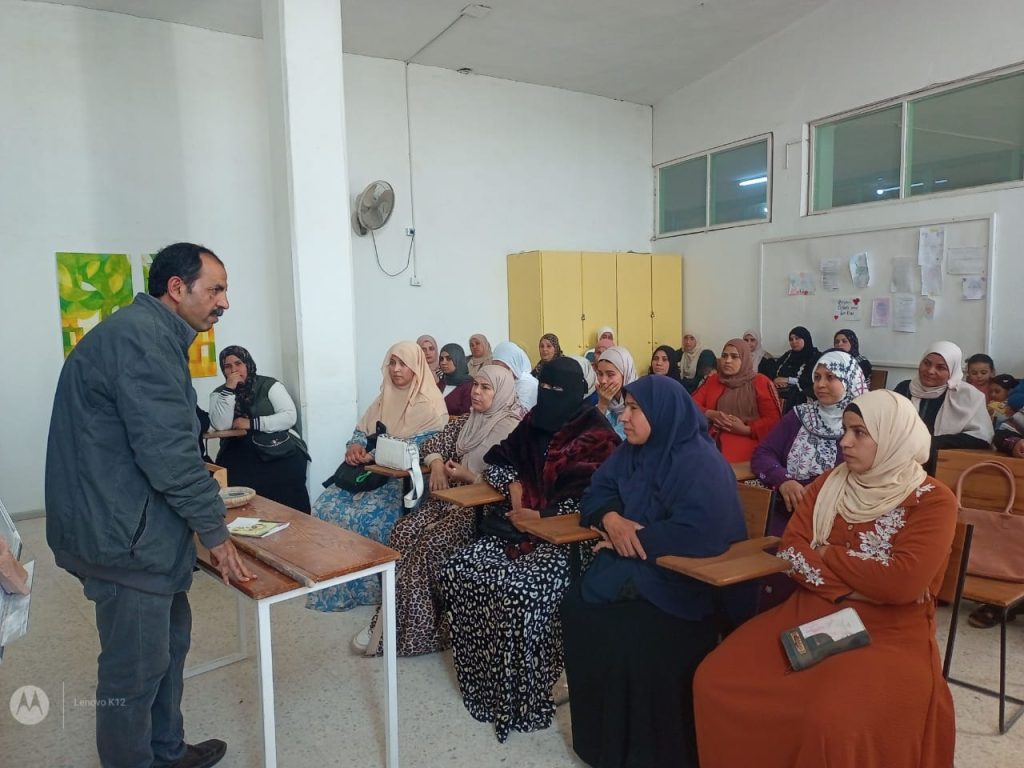
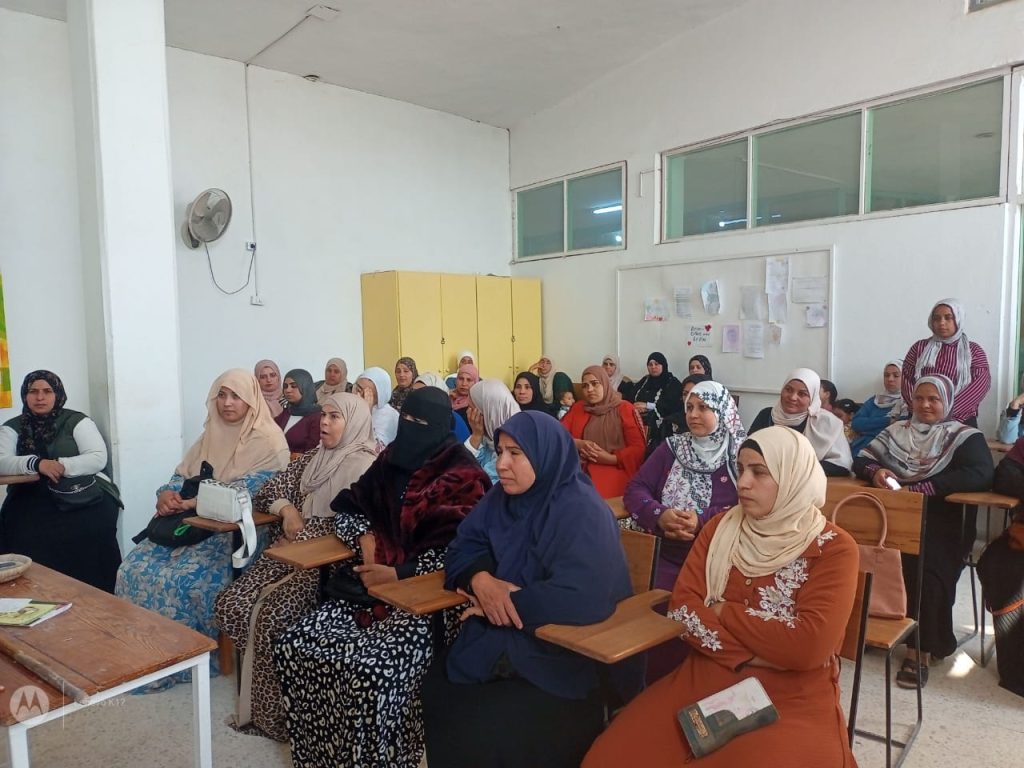
The third training cycle for rural women from Sharqia has officially begun this month, after the completion of the profiling and profession selection process. Each of the five vocational professions – cooking, sewing, cosmetics, poultry farming, and childcare – offers structured training programs consisting of 72 training hours over 3 months. The women will receive both theoretical sessions and hands-on practical training over the upcoming 3 months, enabling them to begin creating sustainable products. These sessions will also equip them with the foundational knowledge and technical skills necessary to launch their own businesses in the future. Overall, the training across the five professions is well-rounded and comprehensive, ensuring that participants are well-prepared for the labor market. This training program not only empowers women economically but also contributes to community development by creating opportunities for sustainable livelihoods.