WELCOME TO ORGANIC EGYPT NEWSLETTER!
Volume 56
Dear Reader,
This is volume number 56 of the Organic Egypt Foundation newsletter. It reviews our activities in January 2026 and illustrates all interventions conducted with our partners and stakeholders.
Enjoy the read!
NETWORKING ACTIVITIES OF ORGANIC EGYPT FOUNDATION
EBDA Celebrates 40,000 Farmers
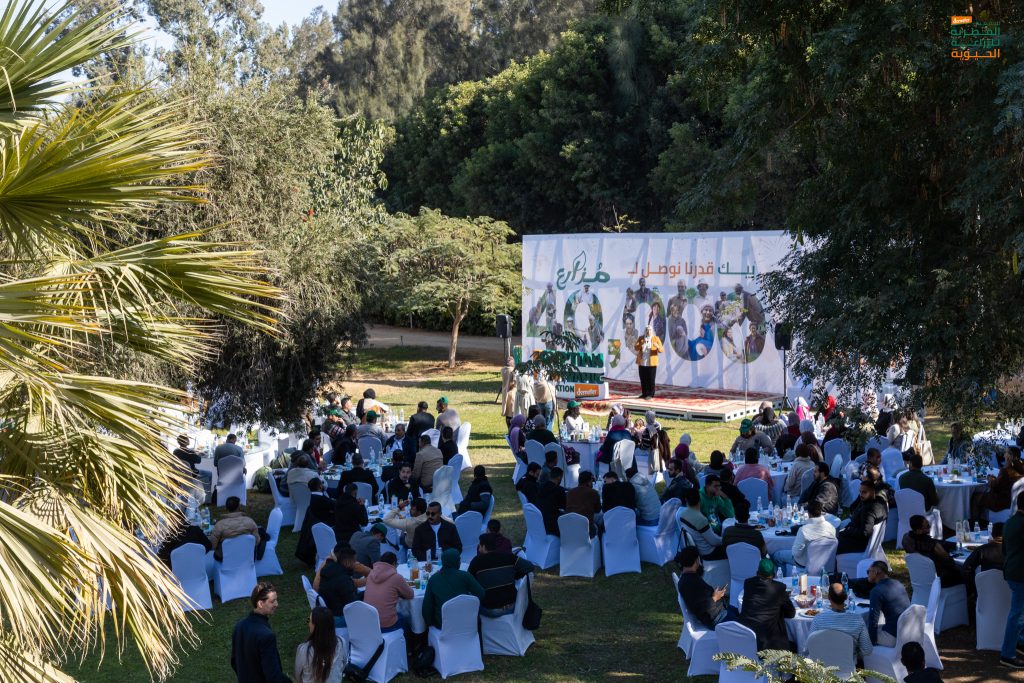
We participated in the annual celebration organized by our partner, the Egyptian Biodynamic Association (EBDA), marking the milestone of reaching 40,000 farmers across Egypt. The event served as an important moment to reflect on the collective journey behind this achievement and the long-term commitment to sustainable and organic agriculture. The celebration highlighted EBDA’s impact over the years, which has been built on trust, continuous engagement with farmers, and a shared belief in farming systems that respect both people and the land. It also recognized the vital role played by EBDA’s field engineers, technical experts, and administrative teams, whose dedication and daily efforts continue to drive meaningful change on the ground. Bringing together partners, teams, and stakeholders, the event was marked by an atmosphere of appreciation, connection, and shared purpose. It reinforced the value of strong partnerships in scaling impact and advancing a future rooted in cooperation, environmental responsibility, and sustainable livelihoods.
WOMEN’S EMPOWERMENT PROJECT ACTIVITIES

ToT in Startup Support
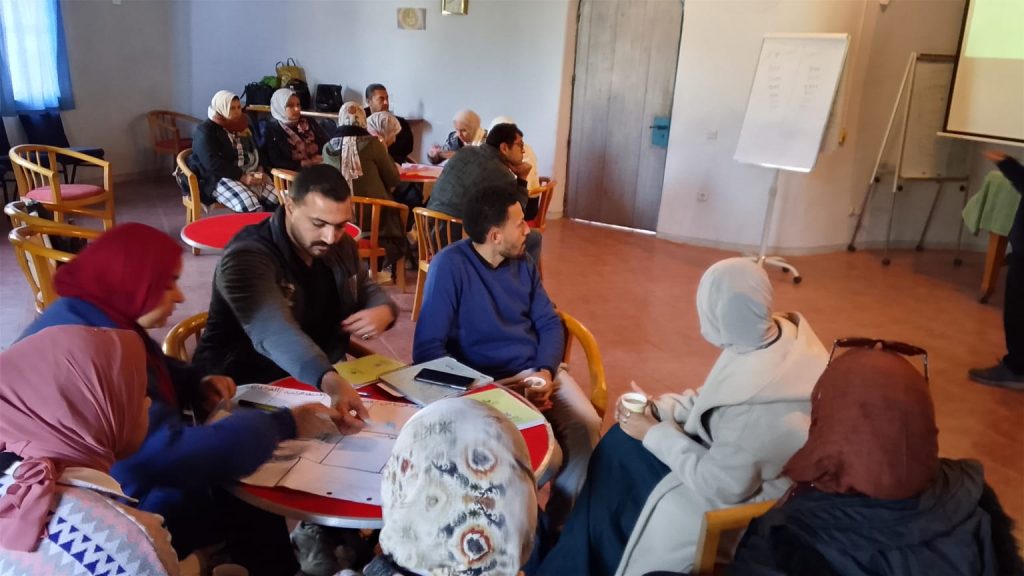
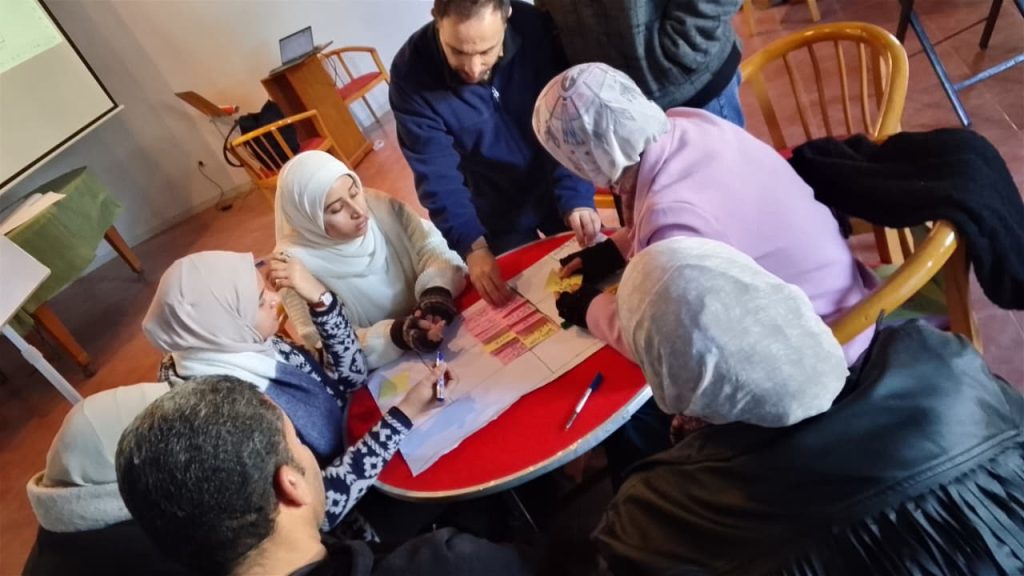
A specialized Training of Trainers (ToT) was conducted in the framework of the Women’s Empowerment in Rural Egypt project, aiming to equip participants with the tools and methodologies needed to support startups in building sustainable and scalable businesses. The training focused on how to transform a startup idea into a real, operational business, with a strong emphasis on the Business Model Canvas. Participants explored how to clearly define the value proposition, customer segments, revenue streams, cost structure, key resources, and partnerships, ensuring that business ideas are grounded in practical and financial reality. Through interactive sessions, the trainer guided participants on analyzing revenues, costs, and funding needs, and how to move from the idea stage to market entry and growth. The program also included in-depth case studies of leading global companies such as Amazon and Uber, highlighting how their business models evolved over time and adapted to market challenges. In parallel, the training examined common reasons behind the failure of startups, drawing lessons from real examples of companies that struggled due to weak business models, poor financial planning, or lack of market understanding. These discussions provided participants with critical insights to help future entrepreneurs avoid common pitfalls. The ToT aimed to build a pool of qualified trainers capable of transferring practical, market-driven startup knowledge to aspiring entrepreneurs particularly women entrepreneurs in rural communities and supporting them in launching viable and resilient businesses.
ToT in Sustainable Living
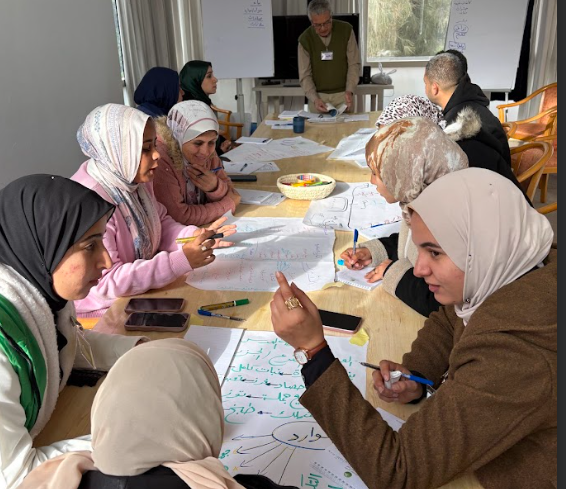
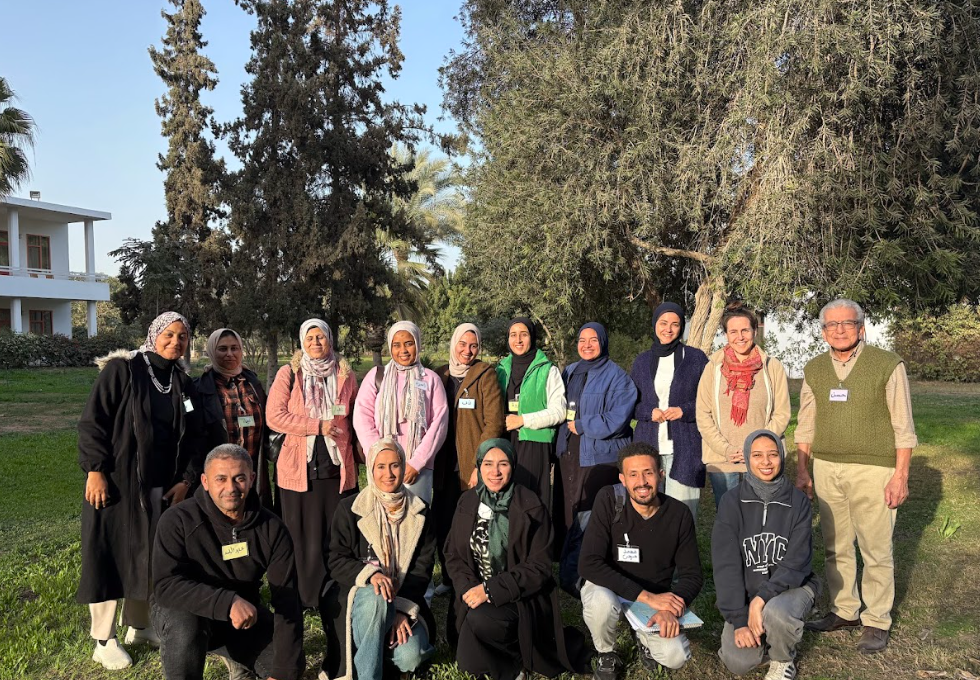
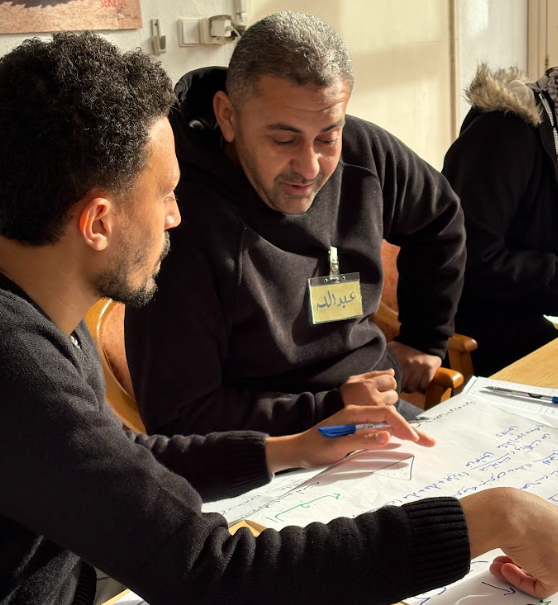
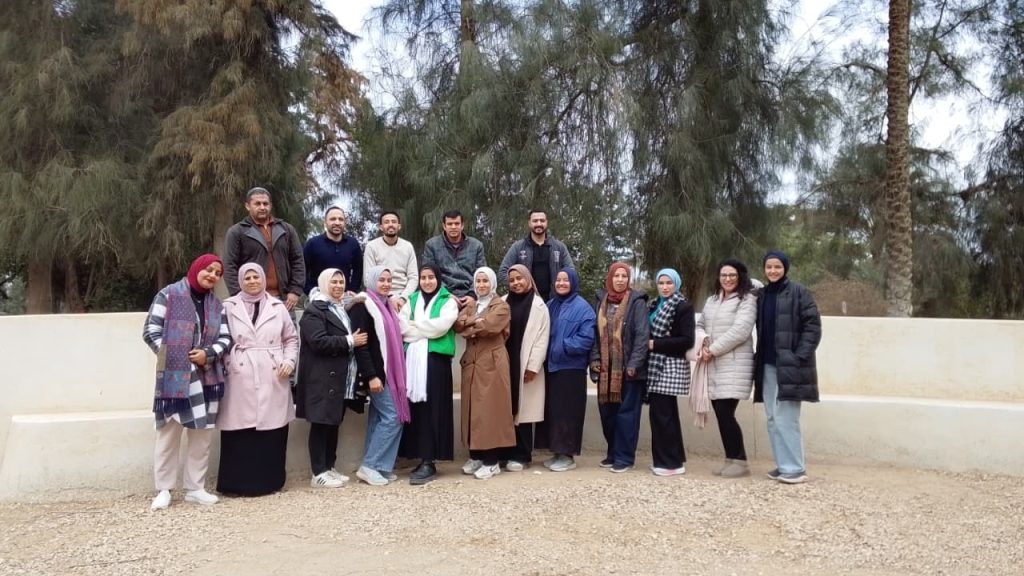
Within the framework of the Women’s Empowerment in Rural Egypt project, a Training of Trainers (ToT) on Sustainable Living was successfully implemented from 25 to 29 January 2026, as part of the project’s efforts to build capacities and promote sustainable development practices in rural communities. The five-day training provided participants with an integrated understanding of sustainable living, linking environmental, social, and economic dimensions, and raising awareness of the impact of daily practices and production systems on natural resources. The program covered key topics such as carbon and water footprints (including virtual water), emissions, hidden environmental costs, regenerative capacity, natural resource management, ecosystems, cultural values, ethics, and the role of science and technology. Through interactive sessions and group work, participants explored planetary boundaries, urban systems, and linear versus circular economies, emphasizing diversity and resilience in sustainable systems. A strong practical component included designing and conducting an environmental audit in entities close to the training venue like the guesthouses and the restaurant. The training concluded with reflection and evaluation sessions, where participants reviewed their learning and presented personal commitments to apply and transfer the knowledge within their communities.