WELCOME TO ORGANIC EGYPT NEWSLETTER!
Volume 64
Dear Reader,
This is volume number 64 of the Organic Egypt Foundation newsletter. It reviews our activities in September 2026 and illustrates all interventions conducted with our partners and stakeholders.
Enjoy the read!
September marks a transition from the hot summer season toward milder temperatures, but crops may still face heat stress, especially during the first weeks of the month. Adjusting irrigation according to changing temperatures, maintaining soil moisture through mulching, and monitoring crops for pests and diseases can help support healthy growth. As temperatures gradually decrease, September is also a good time to prepare the soil and plan for the upcoming growing season.
NETWORKING ACTIVITIES OF ORGANIC EGYPT FOUNDATION
Sahara Exhibition
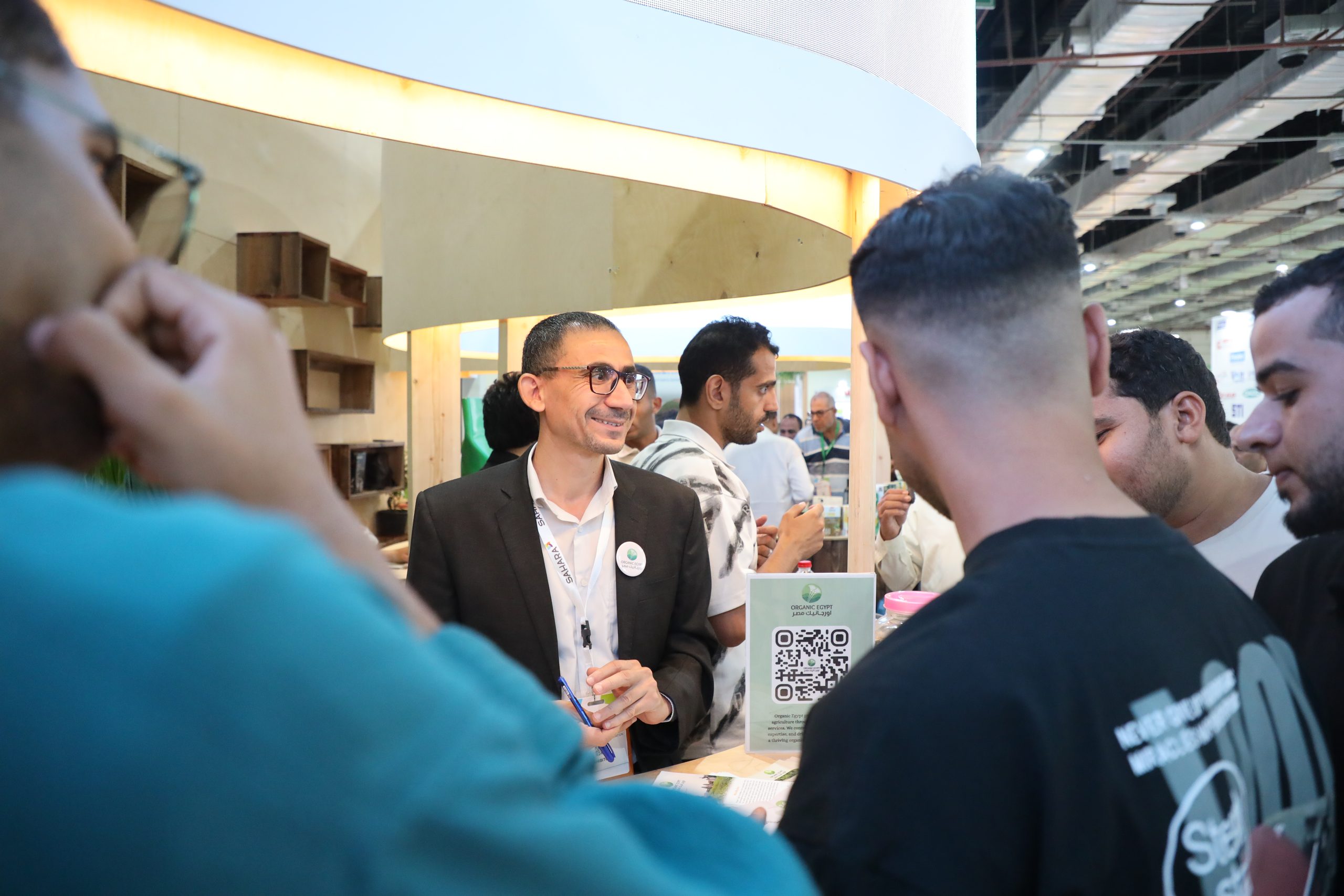
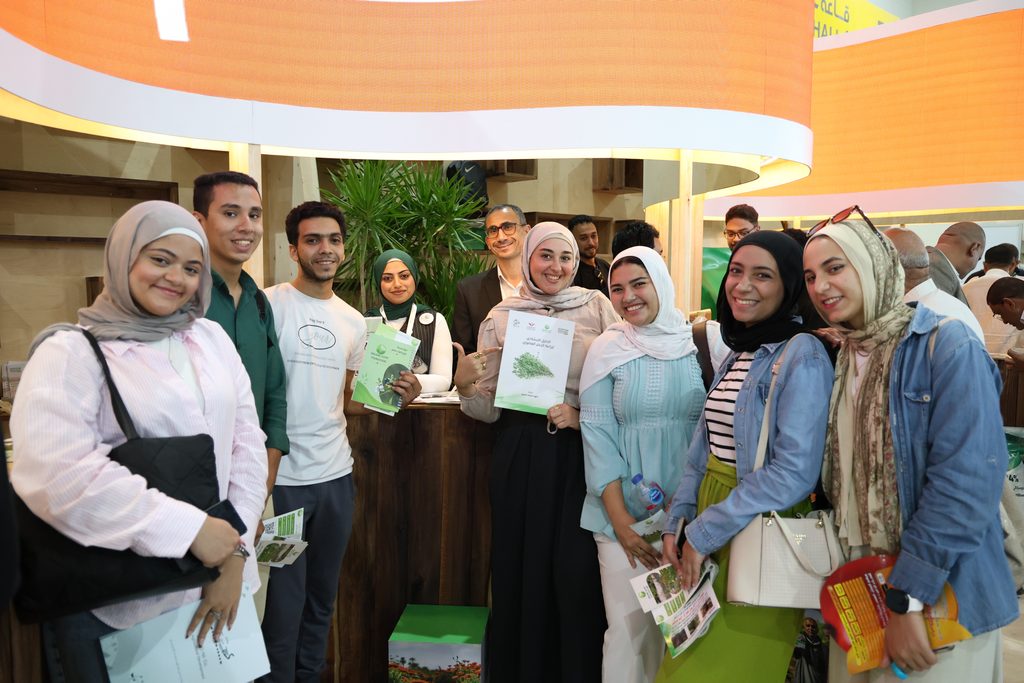
Organic Egypt Foundation (OEF), together with the partner EBDA, participated in the three days of the 38th edition of the Sahara Exhibition, one of the leading agricultural, animal production, and aquaculture exhibitions in the MENA region. During the exhibition, we had the opportunity to meet and engage with a wide range of visitors and stakeholders from the agricultural sector, including students, agricultural engineers, and farm owners interested in receiving training and learning more about organic agriculture and its practices. We introduced visitors to OEF’s work and services and organized a short organic agriculture competition, featuring a set of questions designed to test visitors’ knowledge of the organic agriculture sector in Egypt as well as organic practices. Winners received an organic manual of a crop of their choice as well as notebooks and flyers. Our participation provided a valuable opportunity to strengthen our network within the agricultural sector, identify new training and collaboration opportunities, and promote knowledge and resources related to organic agriculture.
Webinar: From Farm to Carbon Credits
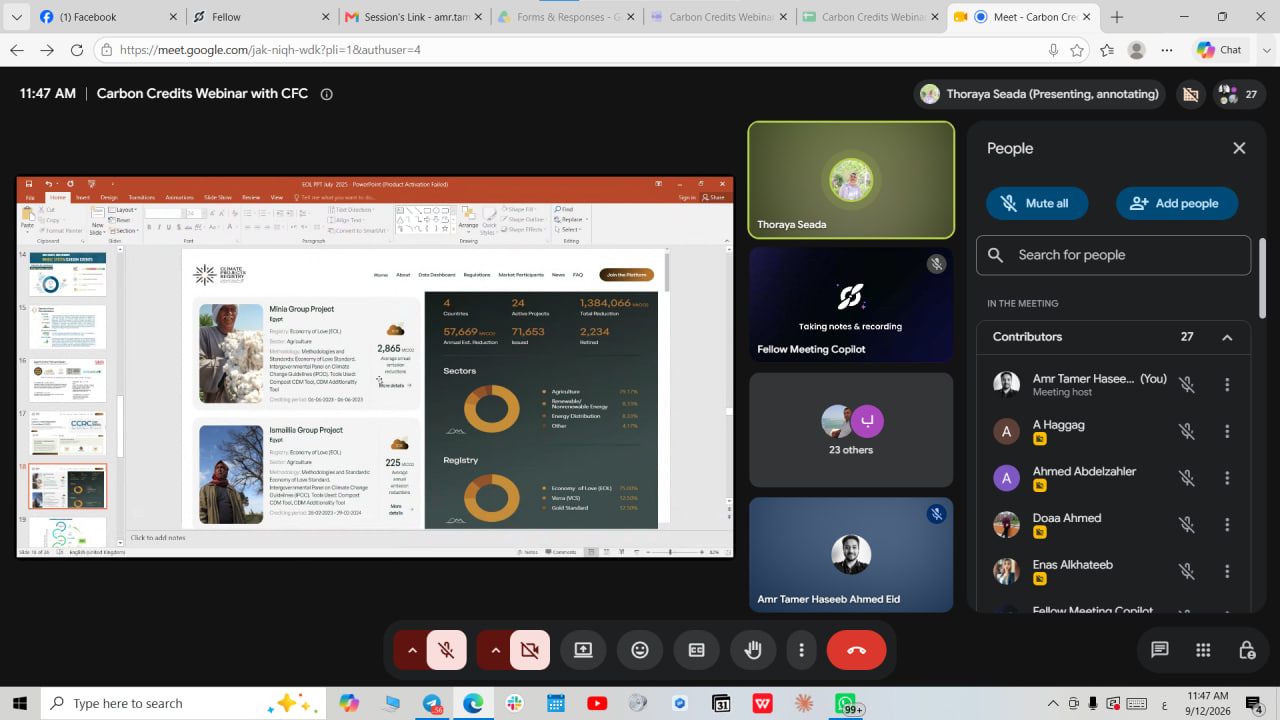
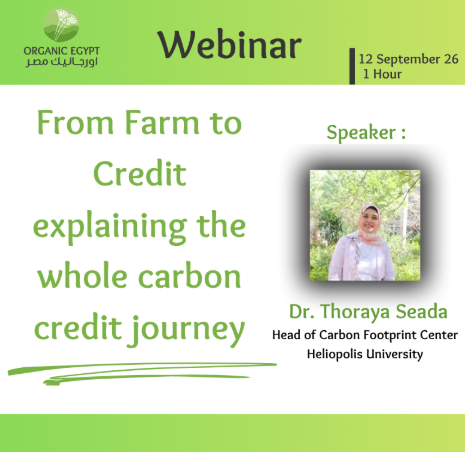
In the framework of raising awareness about sustainable agriculture and climate action, Organic Egypt Foundation organized a webinar titled “From Farm to Carbon Credits,” featuring Dr. Thoraya Seada, Head of the Carbon Footprint Center at Heliopolis University. The webinar provided an introduction to carbon credits and their relevance to the agricultural sector, explaining how farming practices can contribute to reducing greenhouse gas emissions and supporting climate action. The session explored the connection between agricultural activities, carbon footprints, and the potential for generating carbon credits through sustainable practices. Dr. Thoraya also discussed key concepts related to carbon accounting, emissions reduction, and carbon credit mechanisms, providing participants with a clearer understanding of how these concepts can be applied within the agricultural sector. The webinar highlighted the role of sustainable agricultural practices in reducing environmental impacts and explored how farmers and agricultural stakeholders can contribute to climate action while creating opportunities through carbon credit systems.
REMEDI PROJECT ACTIVITIES
Mediterranean Pilot Site Planning Workshop & Living Lab
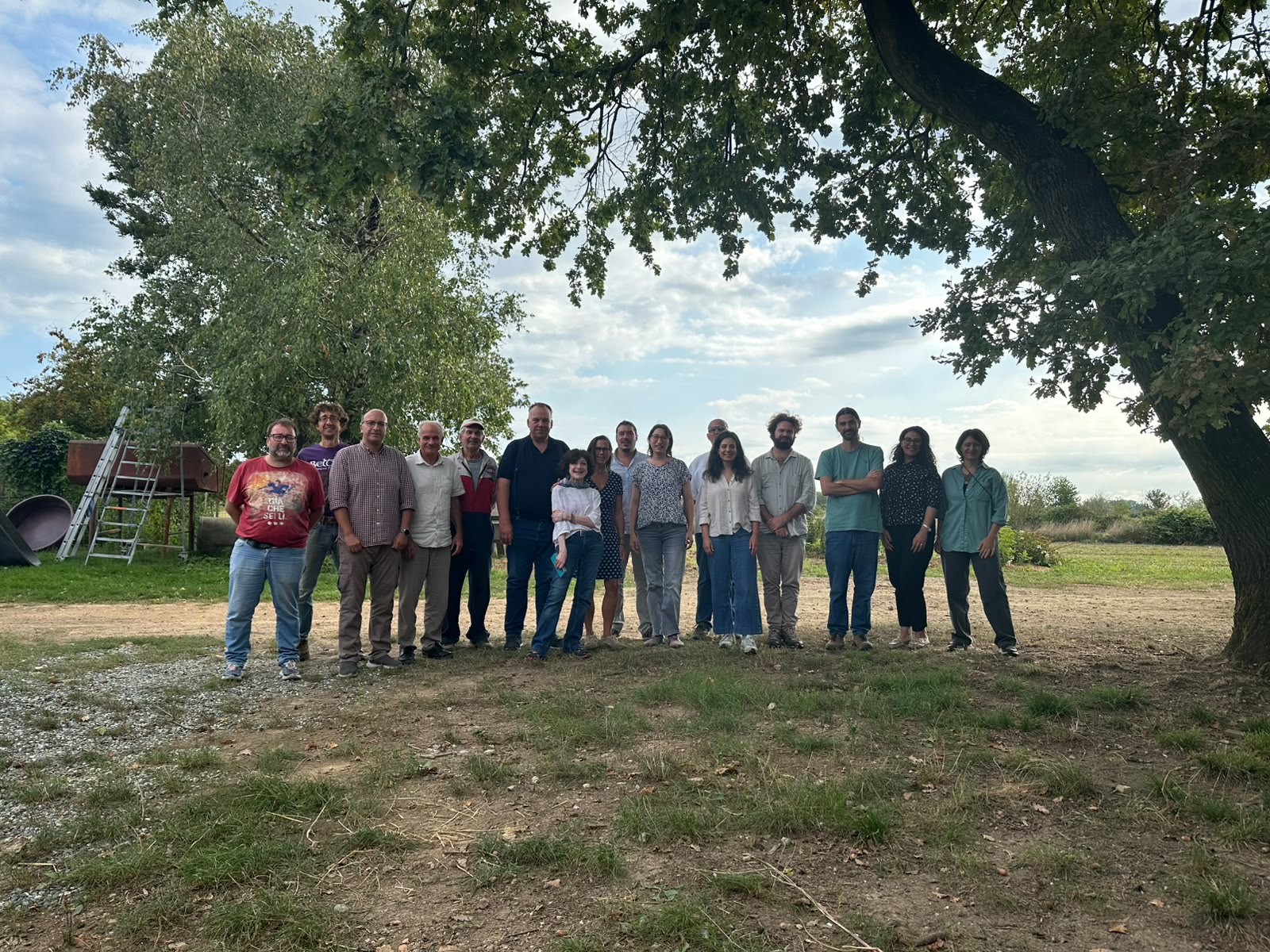
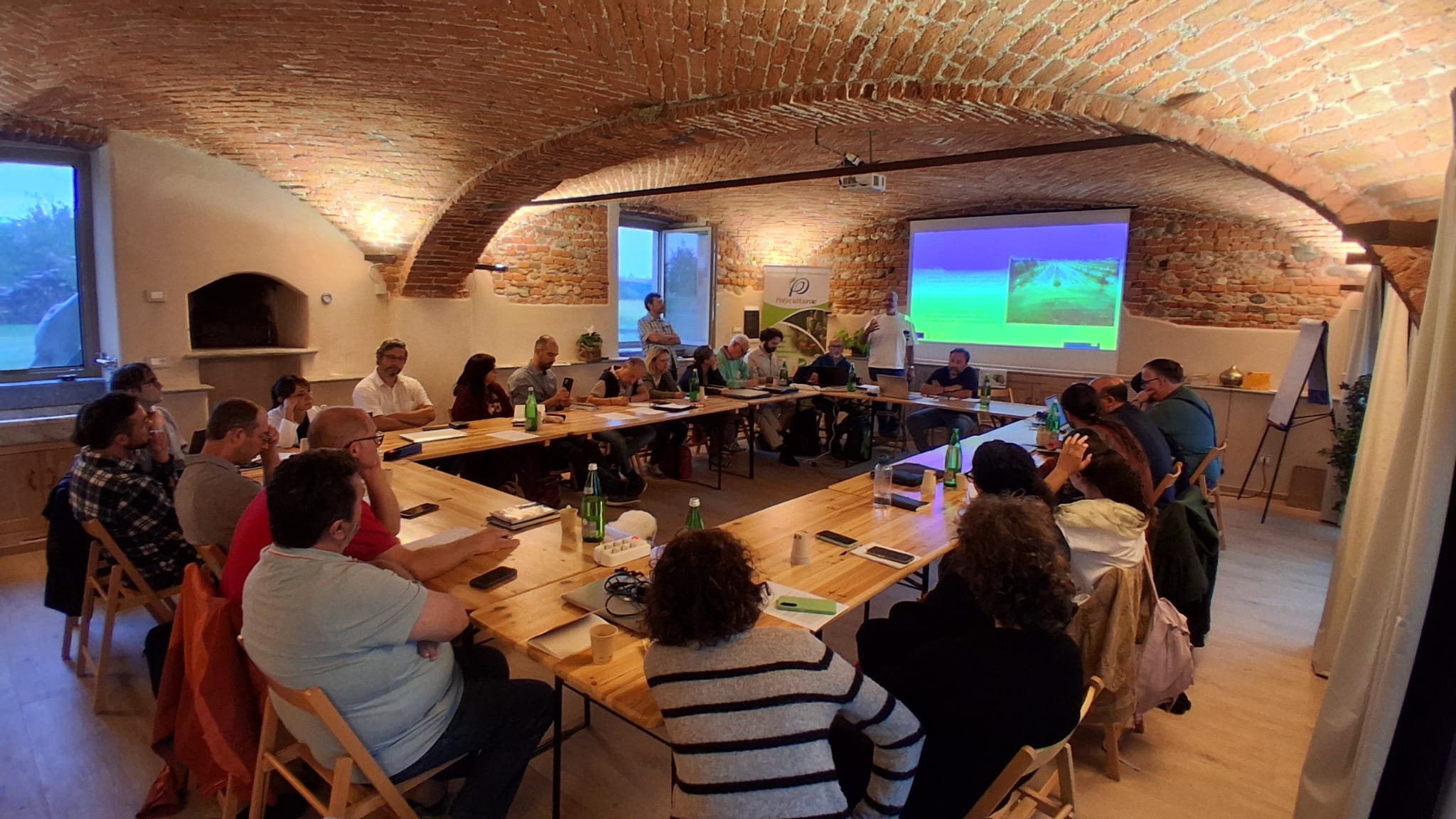
In the framework of the REMedi project, the Mediterranean Pilot Site Planning Workshop & Living Lab brought together the project partners to exchange experiences and strengthen the planning of pilot activities. The three-day programme included presentations from the different pilot sites, followed by a technical field visit to the Ticino Pilot Site, where participants observed regenerative and organic rice management practices directly in the fields. The second day focused on technical workshop sessions at the farmhouse, addressing pilot-specific operational planning and the harmonisation of Living Lab methodologies. The programme concluded with a local Ticino Living Lab session, focusing on understanding farmers’ needs and engaging stakeholders in co-designing practical solutions. The workshop provided an opportunity to connect field experience with collaborative planning, supporting the development of more practical and locally relevant approaches for sustainable rice production across the Mediterranean.
WOMEN’S EMPOWERMENT PROJECT ACTIVITIES

WERE training sessions for profilers
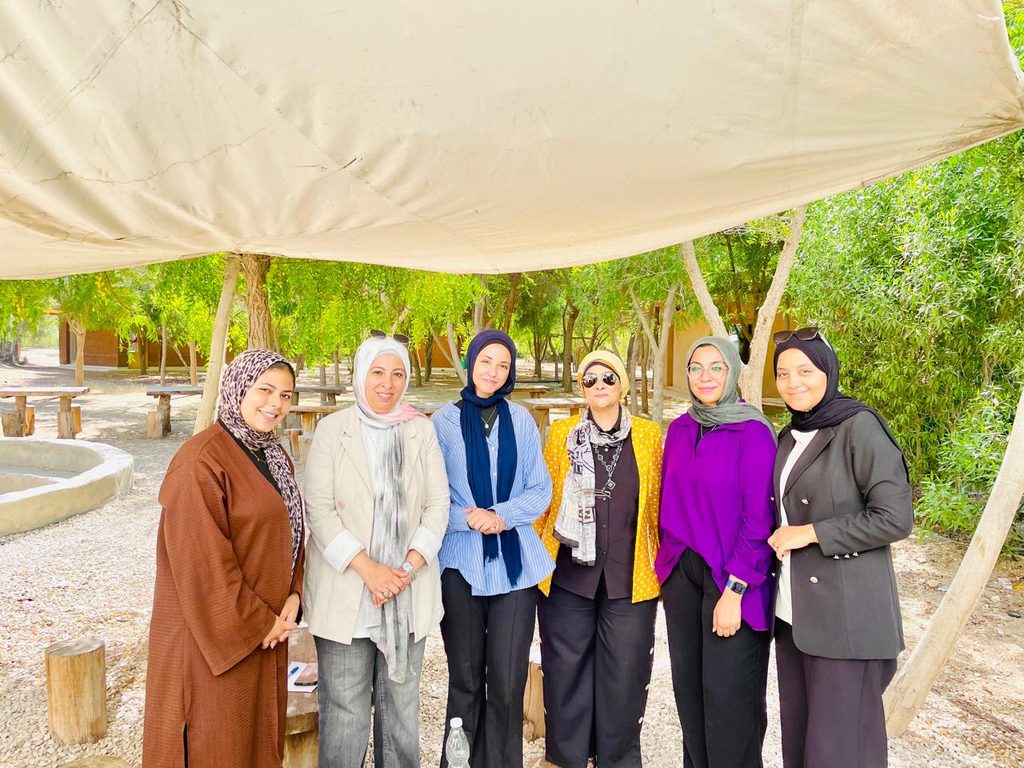
During September, training sessions were conducted for the profilers/trainers in the different professions, combining theoretical explanations with practical activities to enhance their knowledge and skills in delivering training for the rural women. The profilers and trainers of the cosmetics and natural soap production profession received a ToT in advanced knowledge of skin- and haircare production, including solid and creamy body butter, body moisturizer, hand cream, hair cream, and light body lotion production. They were introduced to the natural ingredients and raw materials used in preparing these products, as well as the basic preparation techniques. They also learned how to extract natural aloe vera gel and prepare aloe vera gel using fresh aloe vera, with an explanation of its benefits and applications in natural cosmetic products. The profilers and trainers of the healthy cooking and bakery profession received a ToT in advanced knowledge of healthy nutrition, focusing on the importance of balanced meals, selecting nutritious ingredients, and preparing healthier alternatives to commonly consumed foods. The practical session included preparing healthy marshmallows, healthy corned beef, and cookies sweetened with white honey and black honey (molasses). The session also highlighted the use of natural sweeteners and alternative ingredients to prepare nutritious and delicious food products.
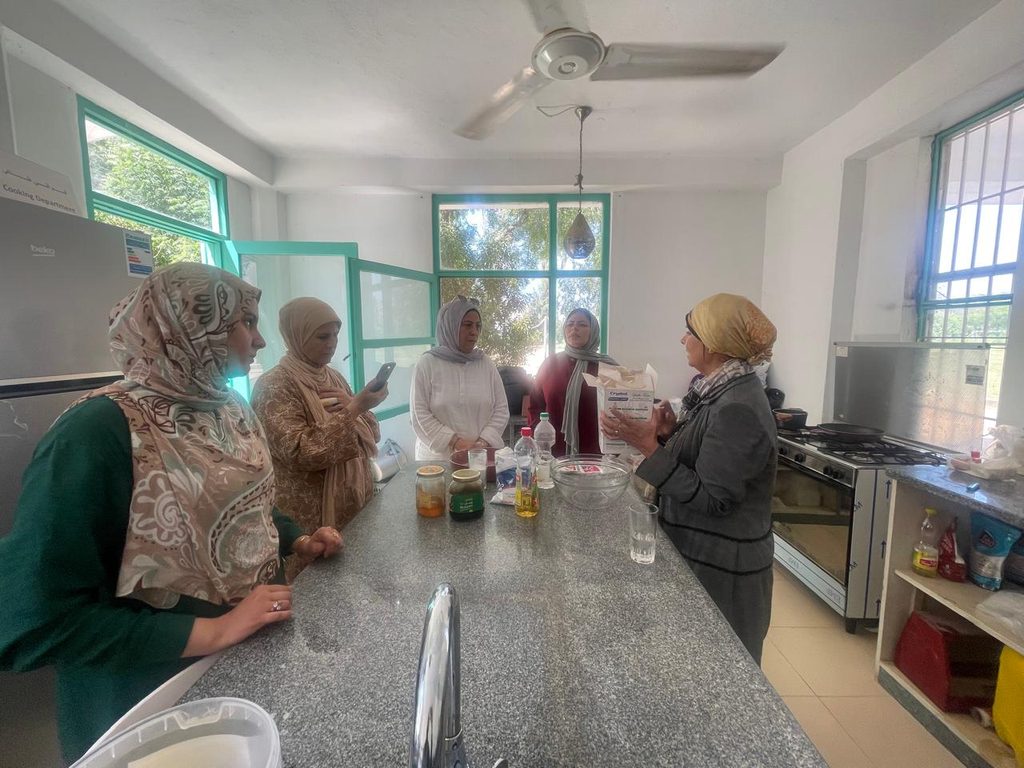
Due Diligence at Sharqia
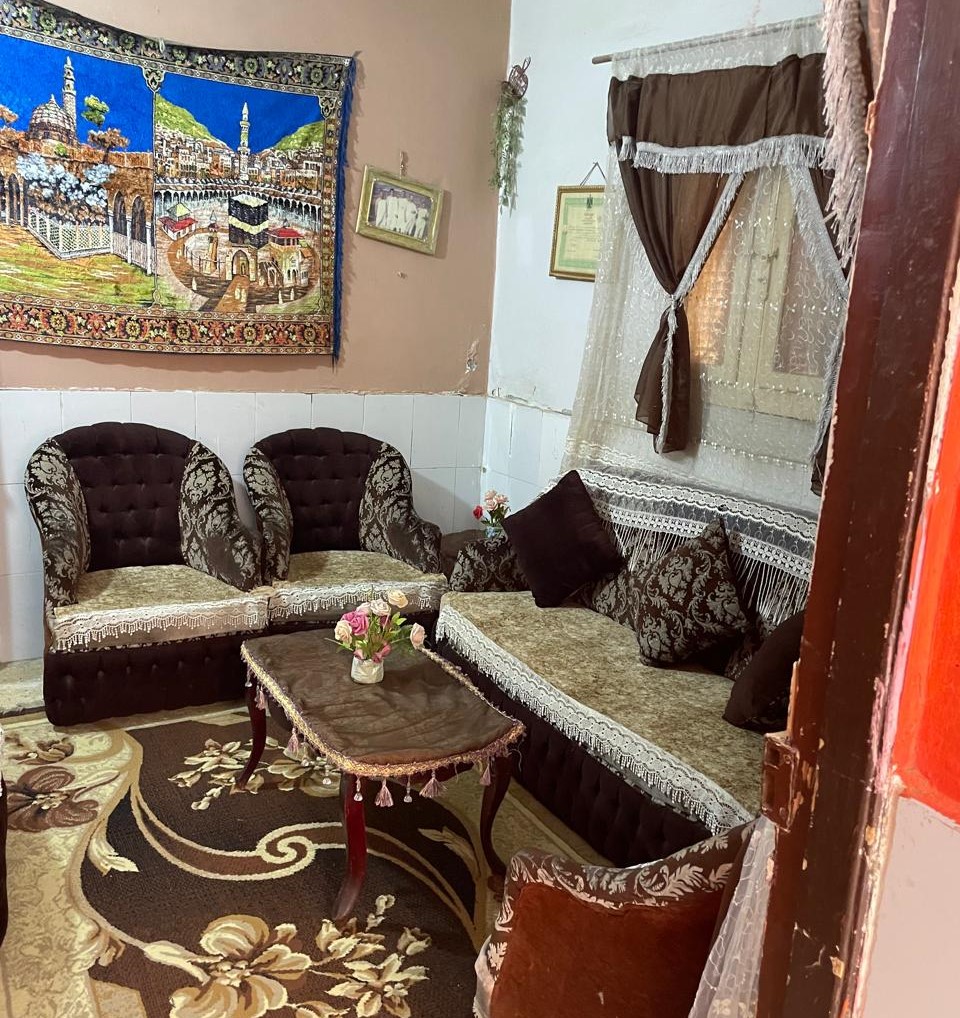
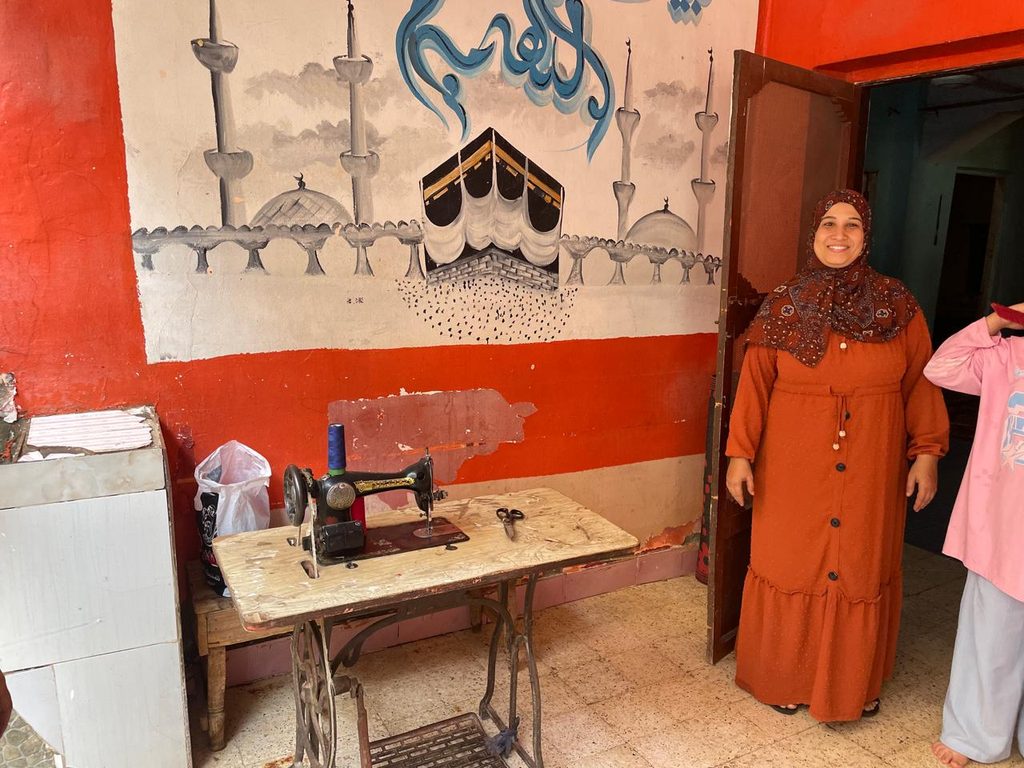
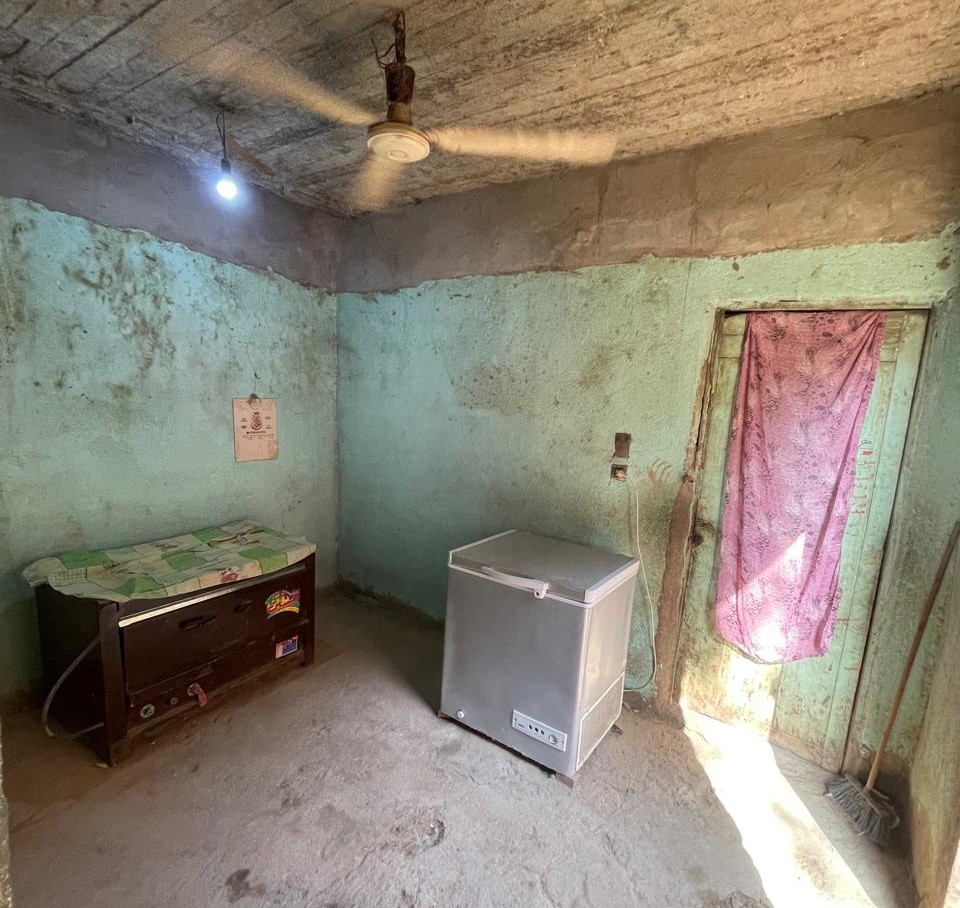
As part of the Women’s Empowerment in Rural Egypt (WERE) project, field visits were conducted in September to assess the proposed locations of 10 women-led projects across different villages in Sharqia Governorate. The visits covered 9 projects in Sewing and Embroidery and 1 project in Healthy Cooking and Bakery. The purpose was to evaluate the suitability of the proposed locations and assess the beneficiaries’ readiness to establish or develop their businesses. During the visits, the project team met with the beneficiaries and assessed the availability and condition of their working spaces, their suitability for the planned business activities, and their specific needs for tools and equipment. These visits formed an important part of the project’s due diligence process, helping ensure that business support is tailored to the beneficiaries’ actual needs and contributes to establishing sustainable income-generating activities. Through this support, the WERE project continues to empower rural women and strengthen their opportunities for economic independence.
IDAM Visit
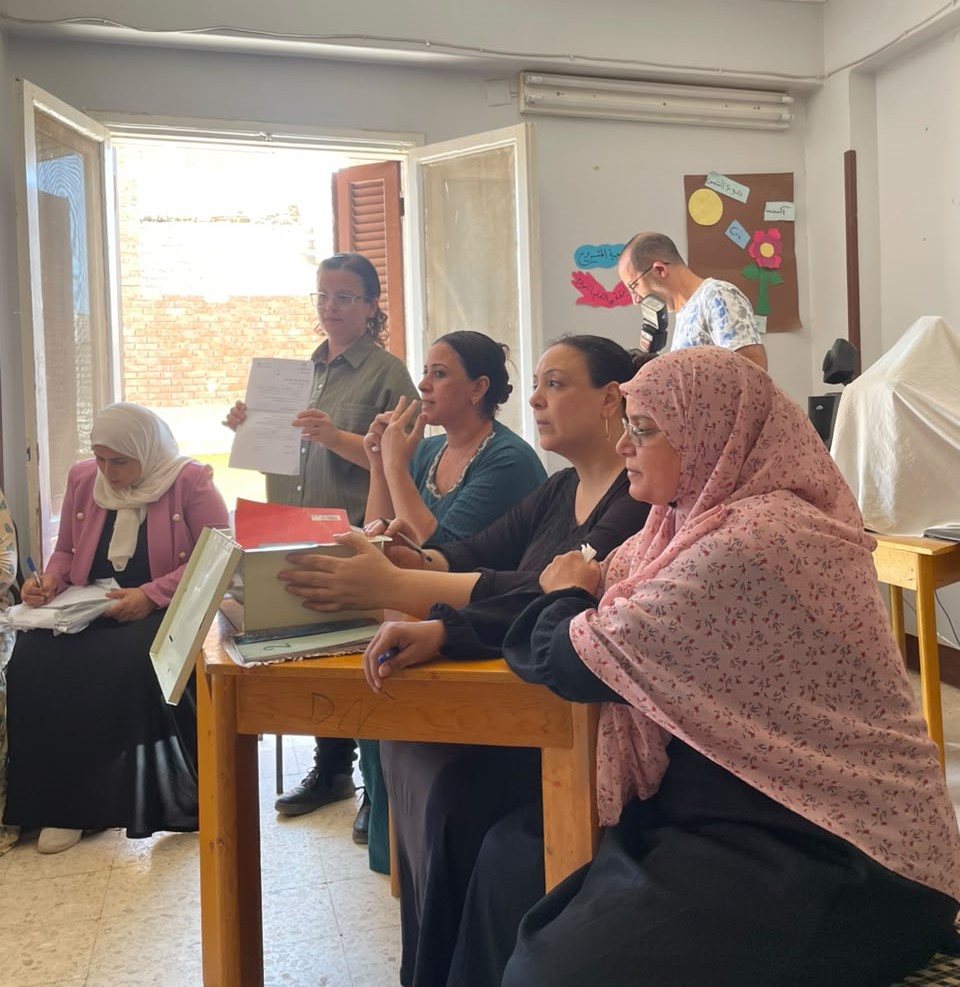
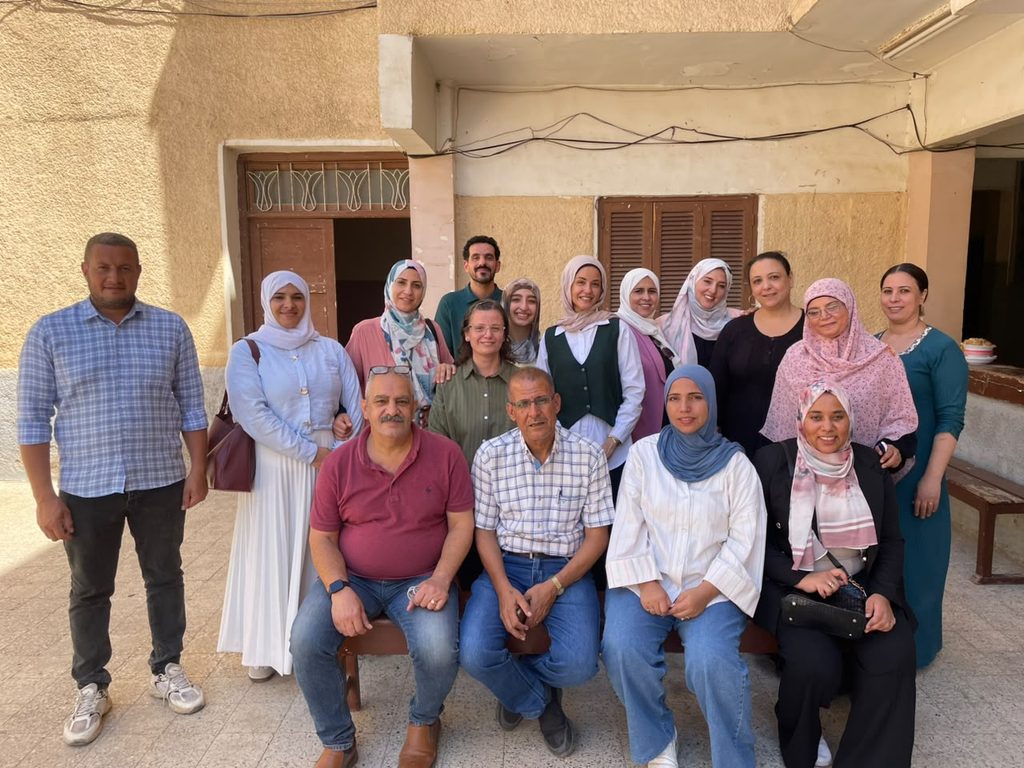
As part of the Women’s Empowerment in Rural Egypt (WERE) Project, the project team together with the local partner “Egyptian Biodynamic association” EBDA visited the “Integral Development Action of Minia” IDAM in Abwan Village, one of the villages IDAM is active and working amongst others in supporting women and local communities. During the visit, the IDAM team introduced us to their activities and initiatives, followed by a visit to a women’s group participating in the Saving and Loan Boxes initiative. The women shared their experiences and showed us how saving, lending, teamwork, and trust work together to strengthen their financial capacity. The visit was a valuable opportunity to exchange experiences, learn from practical fieldwork, and better understand how community-based saving and loan groups can contribute to women’s economic empowerment.
PANACEA Living Lab
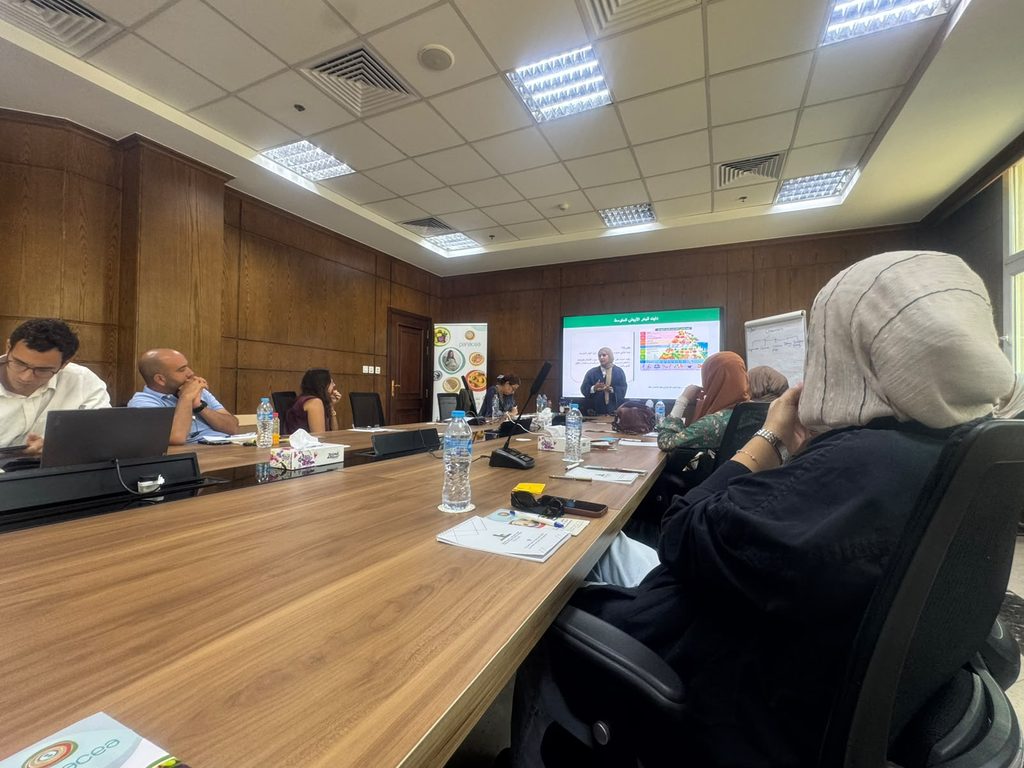
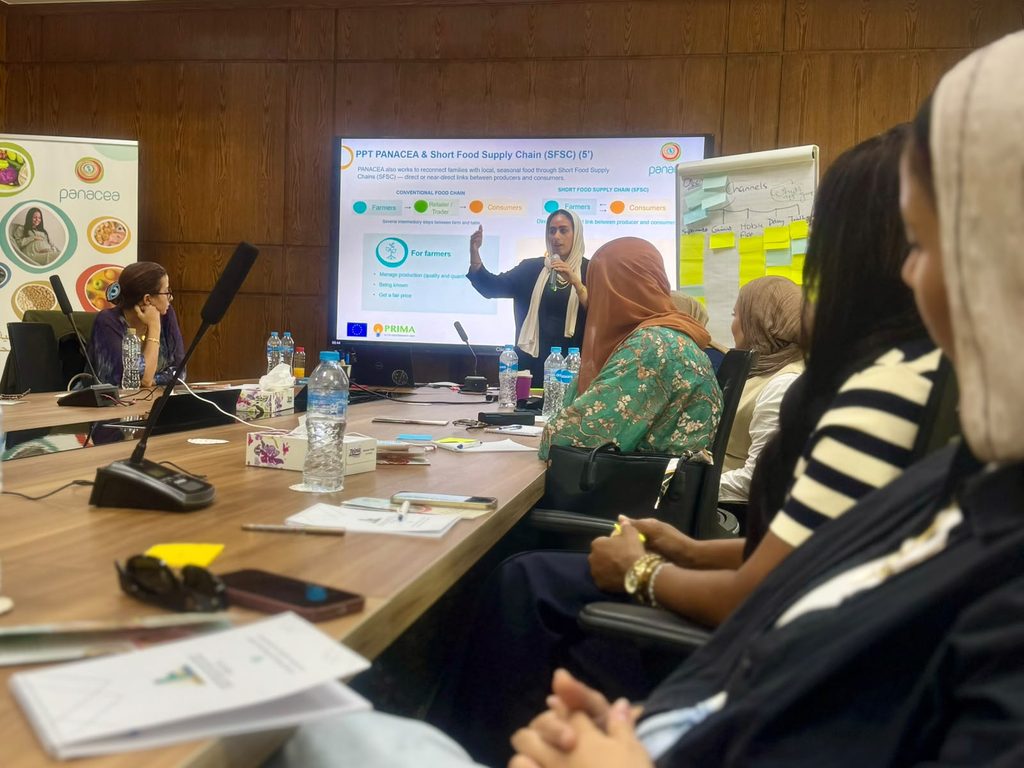
At the end of September, the Women’s Empowerment in Rural Egypt (WERE) project participated in the first cycle of the PANACEA Living Lab, held at the Federation of Egyptian Chambers of Commerce in Cairo. PANACEA is an international project funded through the EU’s PRIMA Programme, focusing on supporting healthier, more sustainable, and locally sourced Mediterranean eating habits during pregnancy and the first months of a baby’s life. In Egypt, the project brings together stakeholders from the food and health systems to identify local needs, challenges, resources, and opportunities for collaboration. During the Living Lab, the WERE project representatives joined food-chain actors, healthcare and nutrition professionals, chefs, researchers, policymakers, community leaders, and civil-society organizations in interactive discussions and group activities. These included mapping food-purchasing behaviors, exploring feeding experiences during pregnancy and early postpartum, identifying social, economic, and cultural barriers, and mapping local food and health system actors, services, and resources. The first cycle focused on understanding and prioritizing key needs and challenges related to food, pregnancy, family nutrition, and the wider food and health system in Egypt, helping guide the next cycle of the Living Lab. Through its participation, the WERE project contributed its experience in working with rural women and strengthening their capacities, while highlighting the importance of sustainable food systems, nutrition awareness, and stronger connections between local producers and communities.