WELCOME TO ORGANIC EGYPT NEWSLETTER!
Volume 57
Dear Reader,
This is volume number 57 of the Organic Egypt Foundation newsletter. It reviews our activities in February 2026 and illustrates all interventions conducted with our partners and stakeholders.
Enjoy the read!
Ramadan Kareem to all, wishing you a blessed and peaceful month.
NETWORKING ACTIVITIES OF ORGANIC EGYPT FOUNDATION
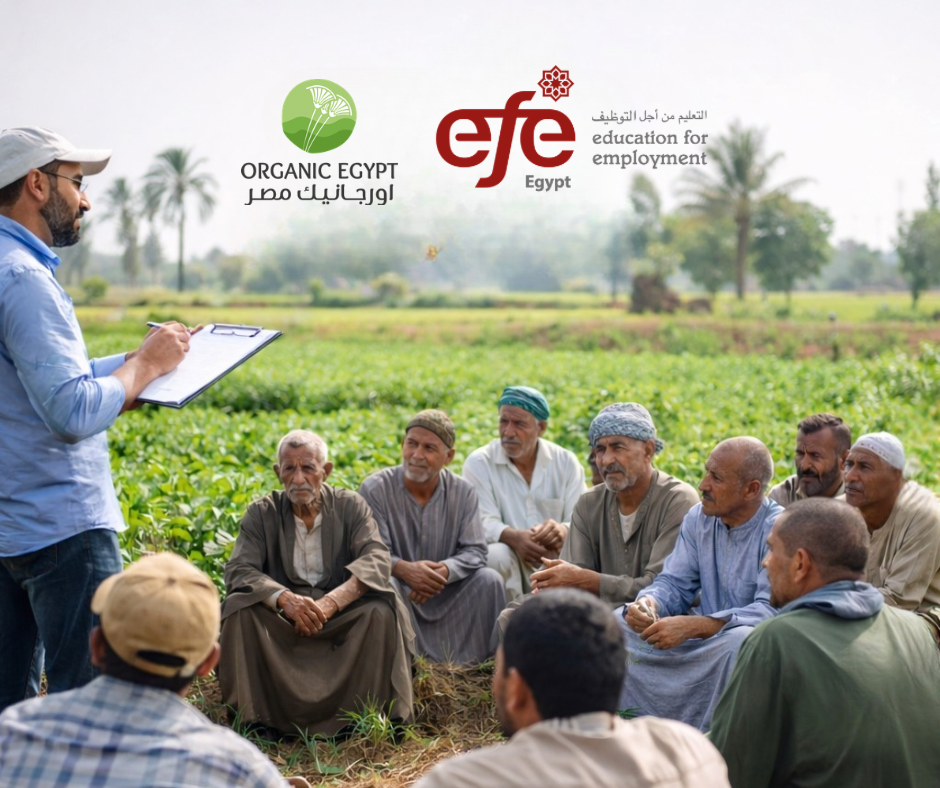
New Collaboration Between Organic Egypt and Education For Employment-Egypt (EFE-Egypt)
- Enhancing agricultural productivity through the adoption of modern and sustainable farming practices.
- Market linkage support to help farmers improve marketing opportunities and increase economic returns.
- Practical training on a variety of crops, including fruit trees such as citrus, mango, and grapes; vegetable crops in greenhouses or open fields; and traditional crops like rice, corn, sesame, and peanuts.
Organic Egypt Attends Webinar on the Future of Global Climate Action
Organic Egypt participated in the webinar titled “Climate Change Geopolitics and Arab Regional Resilience”, organized by Centre for Environment and Development for the Arab Region and Europe (CEDARE) in collaboration with OIC States Broadcasting Union and OSBU Academy. The session featured Dr. Khaled Fahmy and provided valuable insights into the evolving global climate landscape, highlighting the growing geopolitical dimensions of climate action, the challenges facing multilateral cooperation, and the increasing importance of regional resilience. The discussion emphasized the urgent need for strengthened adaptation strategies in the Arab region, innovative financing mechanisms, and enhanced regional collaboration to address climate-related risks, particularly in areas such as water security, food systems, and extreme heat. Organic Egypt’s participation reflects its continued commitment to engaging in regional and international dialogues that advance sustainable agriculture, climate resilience, and environmental stewardship.
WOMEN’S EMPOWERMENT PROJECT ACTIVITIES

Third Profiling Training Cycle
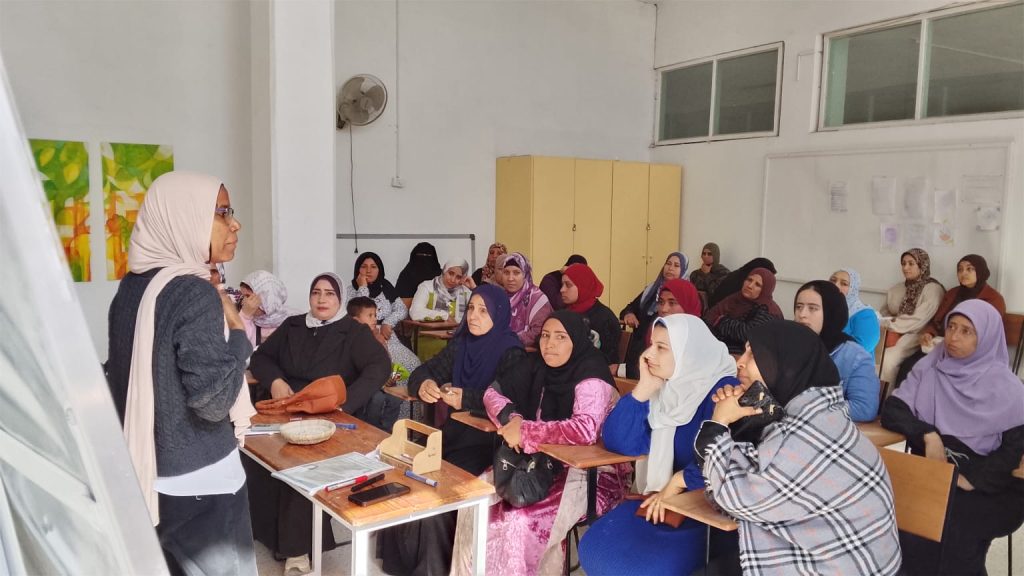
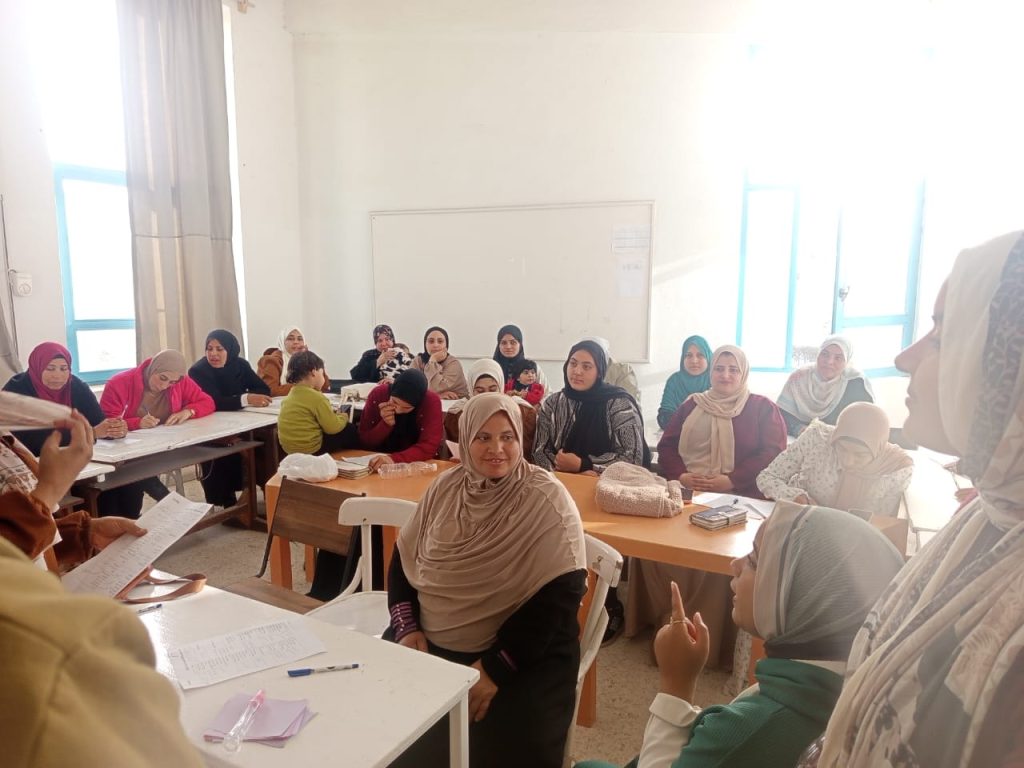
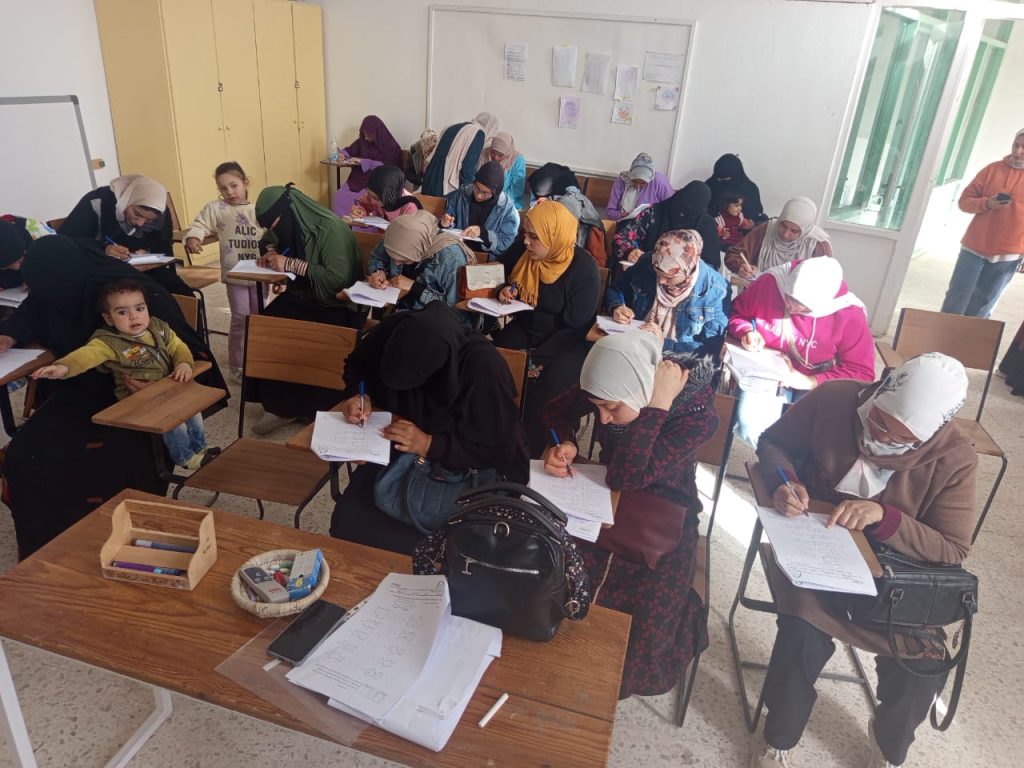
As part of the Women’s Empowerment in Rural Egypt project, the third cycle of profiling was conducted in February, reaching approximately 250 women from rural communities across different age groups. This cycle significantly expanded outreach, enabling a larger number of women to benefit from the assessment and orientation process. The participants were divided into four groups to ensure effective engagement, close follow-up, and active participation throughout the training. The profiling process was implemented over four rounds, allowing trainers sufficient time to carefully observe the women’s interests, strengths, and practical abilities, and to accurately identify the profession that best aligns with their skills and aspirations. The one-week profiling training included hands-on practical exercises in five vocational professions: sewing, childcare, cooking, production of cosmetics and cleaning materials, and poultry production. These exercises supported a comprehensive assessment and categorization of participants’ skills and abilities in each field. Following the completion of the profiling process, a selected group of women will be assigned to the professions that best match their abilities and ambitions. They will then proceed to specialized technical training designed to enhance their competencies and prepare them for sustainable employment and income-generating opportunities.
Natural Castile Soap Production Training
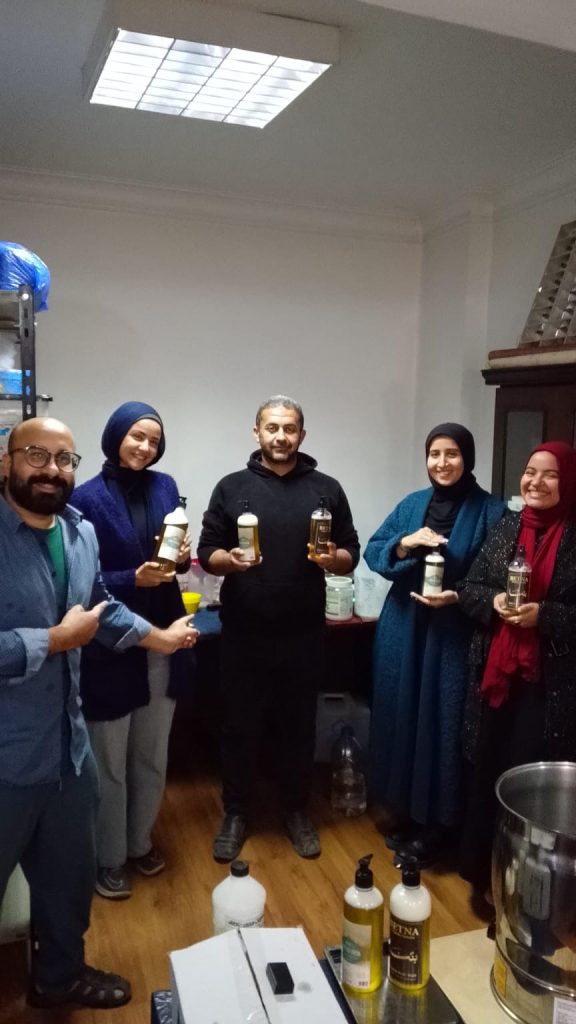
- Understand safe ingredient handling
- Follow proper mixing and temperature control techniques
- Produce high-quality natural liquid soap
Awareness Session on Media Fasting and how to Interact with Children
- Setting healthy boundaries for media use
- Organizing and limiting screen time
- Encouraging alternative activities such as reading, social interaction, and physical play